Everything Old is New Again
Sticks and stones won't break his bones, but they really should.

Cycles continue apace until, almost abruptly and without much fanfare, they end. Decay is a gradual process of tiny violences that adds up to total destruction — Rome didn’t fall in a day. An elephant will spoil rotten before you can eat up all of its bites. There are those that will suckle like maggots onto the shambling corpse of the status quo ante, greedily hoping to extract a little more spoiled milk from the once-full teat of power.
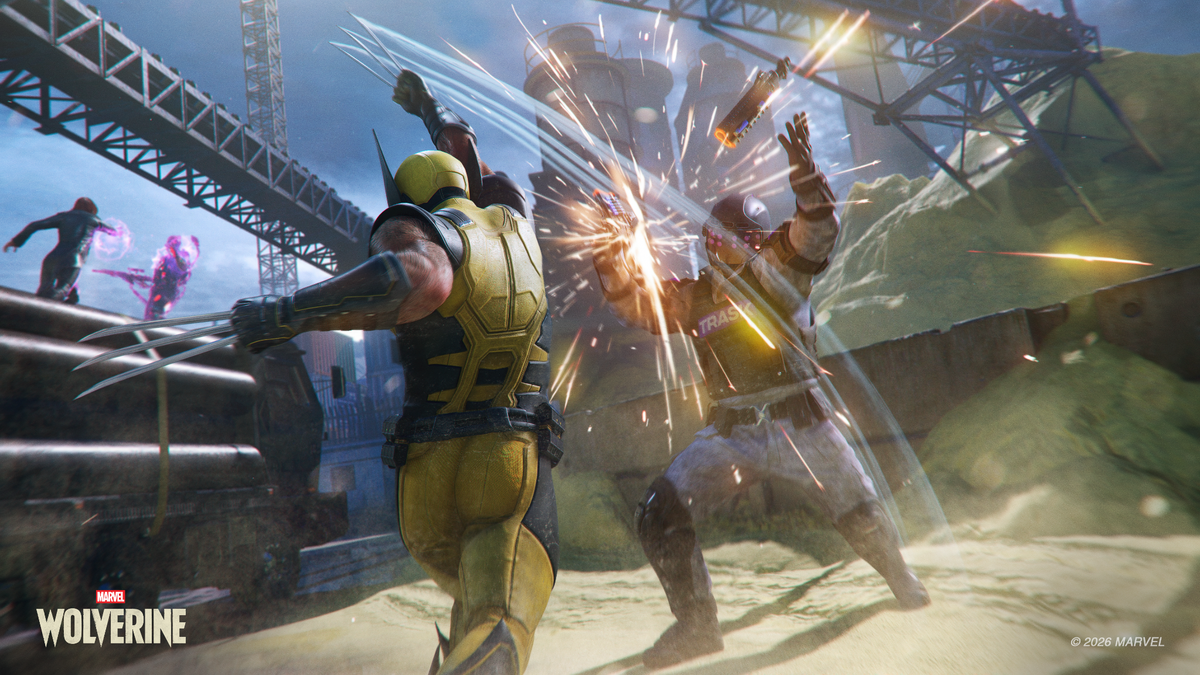
Marvel’s Wolverine is not a good video game, and its Not Goodness, which is separate from ambitionless mediocrity or abject disappointment, is a problem plaguing the entire industry. Hundreds of millions of dollars and thousands of hours in development — five, six, or eight years depending on whom you ask — were spent on a title for which critical reception has been (politely) lackluster, or (rudely) thoroughly embarrassing. “Not Good” shouldn’t waste hundreds of millions of dollars chasing elusive digital realism. “Not Good” shouldn’t steal employees away from their families for years and still presumably result in layoffs because investors simply weren’t happy that Number did not in fact Go Up as much as they wanted. “Not Good” shouldn’t be at the center of yet another debate about the efficacy of review scores or fuel for a straw man argument about diversity. “Not Good” can only be marked with scrutiny and curiosity: what the fuck happened here, and why?
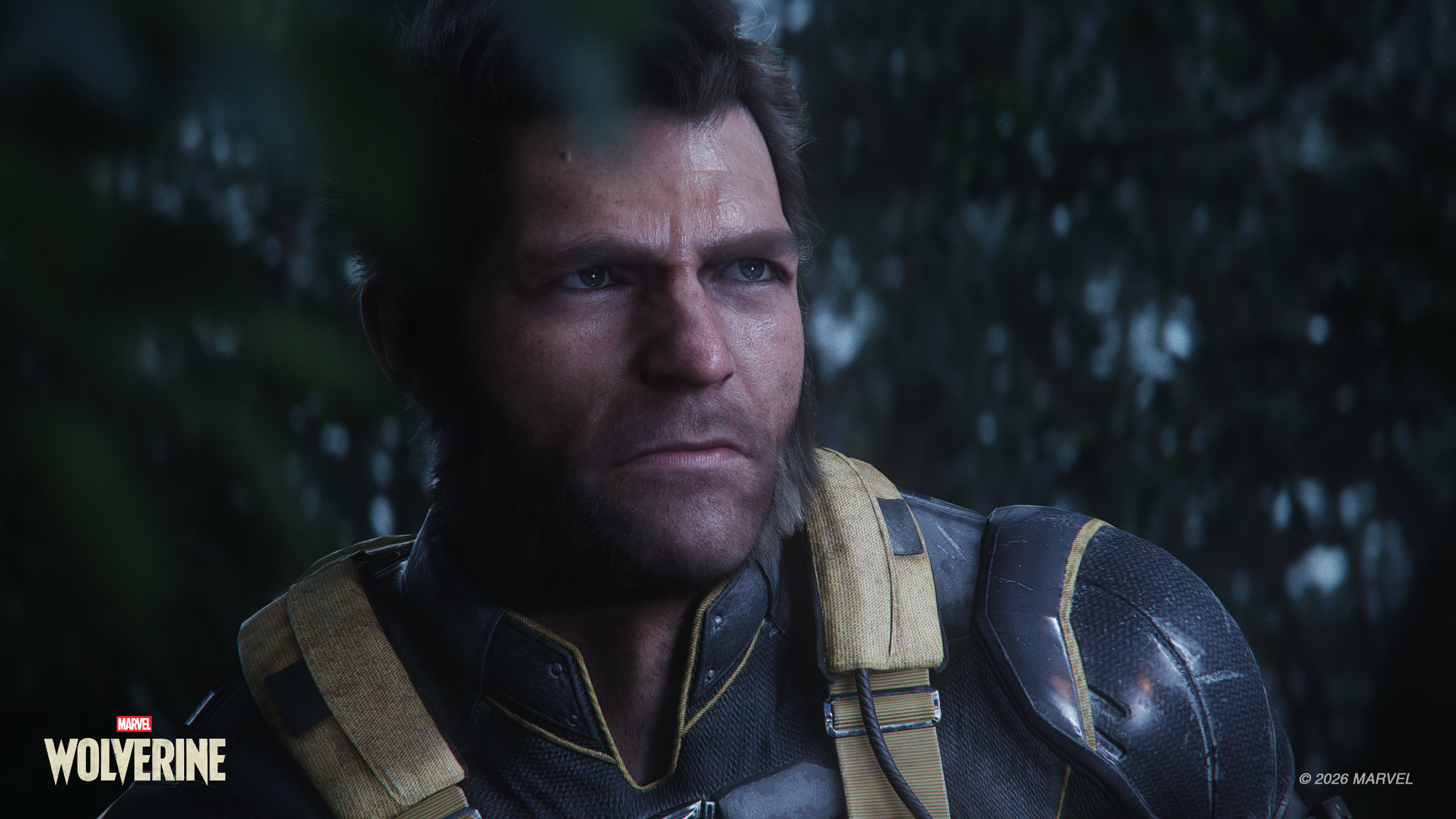
Whatever the quality of Wolverine, it feels impossible that Insomniac didn’t know there were issues. Much of the game’s plot, test footage, and playable early builds leaked alongside personal employee information in a 2023 ransomware attack by Rhysida; the original creative director left in 2024 and was replaced by the directors of Ratchet and Clank: Rift Apart; and the first gameplay wasn’t shown until 2025, four years after the game’s initial reveal. I wonder if the studio realized how dire the situation was before the press got its hands on the game during previews. When the water is already up to your waist, it’s hard to notice the changing tide until someone offers you a life raft.
The developers at Insomniac aren’t stupid and they certainly aren’t talentless. This does not, however, mean their superiors aren’t hacks. There are very few surprises within Wolverine: it plays exactly as blandly as you expect, looks as realistic as you imagine, and — despite the narrative eschewing established comic lore — the plot unfolds exactly as you predict. Even on Team X under the supervision of Nathaniel Essex, Logan must learn to be one with his animalistic anger. Jean must learn to accept her fiery frustration and fight back. Sabretooth is a massive dick, Mystique is a selfish dyke, and Essex totally isn’t sinister and secretly evil at all.
The two narrative swings aren’t home runs but singles, promising starts that fail to bring it home. The first is shoehorning in Apocalypse so he can be the big bad of a future title with Logan as a potential Horseman; the second is making Jean’s Phoenix powers literal by reincarnating her, sans memories, every single time she dies. Unlockable lore reveals that Logan and Jean are tied together in a centuries-long cycle of tragic romance. There’s ultimately no weight in these decisions, no exploration beneath the surface of the consequences of a godly entity infusing Logan’s soul with amaranthine anger or the profound sadness of an eternally doomed romance. That would just get in the way of the game trying to explain that bigotry is bad, full stop, especially if you’re the hated minority using the master’s weapons to dismantle the master’s house. “Complicated” politics are too fucking difficult for this game to handle. Don’t even get me started on the atomic bomb-esque vaporization of a Southeast Asian country — the narrative team clearly didn’t think about the implications and neither will I.
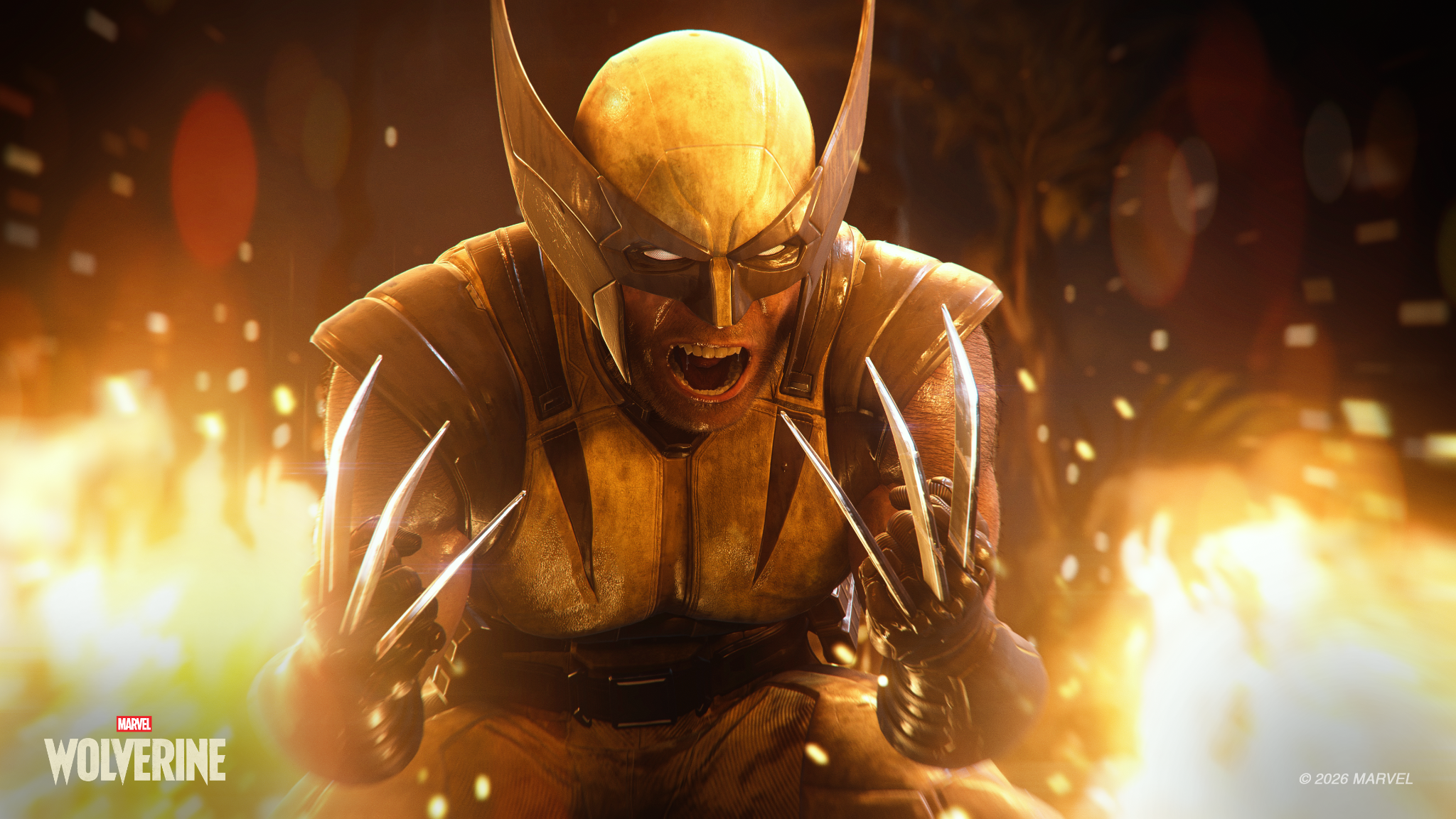
What do you do in Wolverine, exactly? Well, you slash and hack and parry and decapitate and smash XP barrels and sniff out whisky bottles and upgrade Logan’s stats and scavenge for parts to unlock new suits. It’s AAA soup, the reheated leftovers of better influences — God of War (2018), Sekiro: Shadows Die Twice, Gundam, the comic arc “Save the Tiger,” Frank Miller and Chris Claremont’s original Wolverine run — that looks good but tastes dubious. It’s food in name only, lacking any spice or unexpected flavor to help it stand out from the good, or at least competent, media it riffs on. It’s like X-Men Origins: Wolverine — Insomniac wanted to make the ultimate lifeform by stealing from other mutants, but made a grotesque freak with nothing to say instead.
I am not going to be so bold as to claim that Wolverine’s tepid critical response is a death knell for the cinematic action game, but god, I wish it was. It’s been nearly 20 years since the launch of Uncharted: Drake’s Fortune, which popularized the leeching of cinematic camera techniques, big-budget set pieces, and a “Hollywood-level” story from film and television. This blending of media techniques is often viewed as a maturation of the art form in the same way film itself grew only by blending the photographic, novelistic, and theatrical to find something new, something “open and unlimited” according to movie critic Pauline Kael.
But video games are limited by their need for interaction. Our primary verb differs between mediums: we watch movies but we play video games. When Hugh Jackman carves up bad guys in the X-Men films, my satisfaction is derived from the aesthetic experience. I want the scene to look good, the violence to sound visceral, the editing to propel me forward with Logan. When playing a video game, that aesthetic experience merges with a ludic one. Sure, the game can look stunning, but I want it to feel good. I want to have fun when a new combat scenario begins and I want to feel powerful smashing buttons that tear limbs off Reavers or the Hand or whoever stands in my short-king Canucklehead way. I can put up with bad graphics and shoddy sound effects if I am having a blast playing the game.
In her seminal essay “Trash, Art, and the Movies,” Kael promotes the idea that “movie art is not the opposite of what we have always enjoyed in movies, it is not to be found in a return to that official high culture, it is what we have always found good in movies only more so.” The distinction between “art” and “trash,” the term Kael uses to talk about “less serious” movies, is often externally imposed. Throughout the essay, she derides artful films like 2001: A Space Odyssey as highly technical and self-serious, while praising trash like The Scalphunters and Wild in the Streets for daring to be surprising, cheap, “a vacation from proper behavior and good taste and required responses.” It is not skill that Kael looks for in art — that can arise unexpectedly anywhere, and often delights her when it does — but joy, entertainment, a nice time spent in a cool, dark room.
Somewhere over the last two decades, AAA game studios have become obsessed with technical prowess, realistic graphics, sales figures, excessive budgets, and Metacritic scores. This isn’t industry dependent: Kael argues that factors like production budgets, marketing expenses, and ticket sales all shape the perceived artistry of a film, but runaway successes do not necessarily mean something is genuinely artistic or inherently high quality. Studios chase the cash cow of cinematic video games, conveniently forgetting that a video game cannot be a movie no matter how hard it tries. I do not mean this in a Roger Ebert “video games can never be art” way, but also who cares about this tired, cyclical debate? Video games can be art, but they’re mostly trash. They can touch you, they can change your life, but their primary function is to be fun and enjoyable. To provide a challenge, to entertain you, to help you pass the time. This does not mean that they cannot be artful or contain technical expertise, but those shouldn’t be the primary motivations for making a game.
Why does it matter if games are art? Does one need to, as Ebert asks of game designer Kellee Santiago, “cite a game worthy of comparison with the great poets, filmmakers, novelists and poets [sic]” for the medium to have a reason to be taken seriously? Notice comic books are not listed, themselves torn between the serious art of literature and the supposedly baser drawing. We have serious games, we have deep games, we have award shows and high-profile screen adaptations of stories that originated as games. Are games as a medium not yet validated enough that we can stop chasing art and let us stumble upon it naturally like in every other medium? Did we players and critics not, as Kael says of film, get into games because we enjoy them? What we like has little to do with art, often has little to do with criticism itself:
Some [critics] at least appear to think that that would be relying too much on their own tastes, being too personal instead of being ‘objective’ — relying on the readymade terms of cultural respectability and on consensus judgment (which, to a rather shocking degree, can be arranged by publicists creating a climate of importance around a movie).
We yearn for games to be so respectable, to sell so well and score so highly, that sometimes we forget they need to be enjoyable, too. Enjoyable does not necessarily always translate to fun but rather satisfying and engaging. Puzzle games like Baba is You and Blue Prince hurt my brain but the catharsis of solution is euphoric, while visual novels and choice-based narrative games propel me forward on the strength of a captivating story. An enjoyable game is chock full of surprise. We delight in surprise, we love our expectations being upended in delicious ways. I’ve always been a fan of the unlockable grenade launcher at the end of the games, a tasty twist turning the combat on its head into a fantasy-fulfilling rampage. Said repetition of all forms is a death knell for a video game, as Kael adroitly observes of her medium, “nothing is so deathly to enjoyment as the relentless march of a movie to fulfill its obvious purpose.”
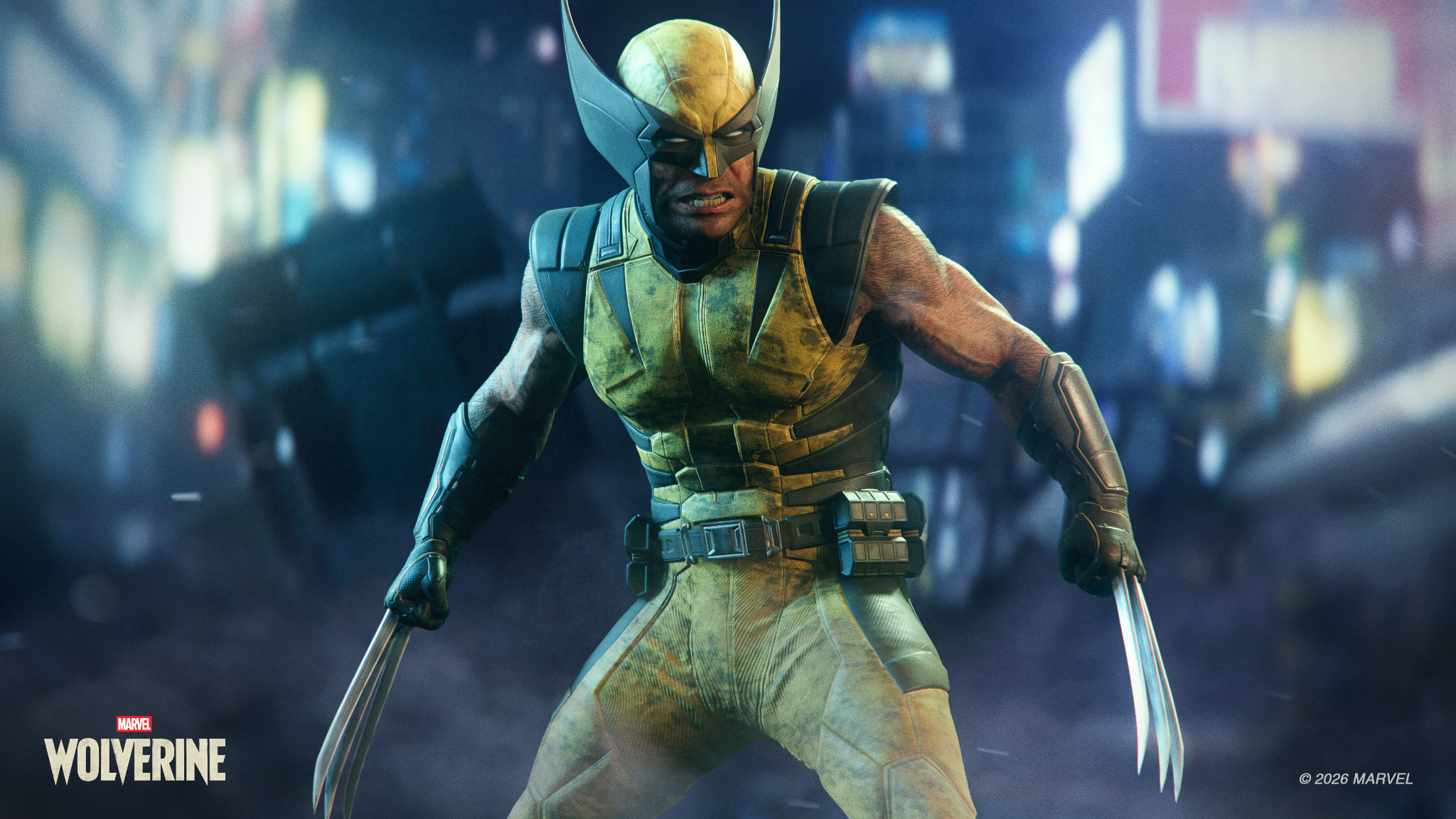
When a game exhausts its bag of tricks early, it leaves players holding an empty velvet satchel with no promises of shiny distractions and delights. Video games are pure entertainment in a way other mediums often obfuscate in order to be taken seriously by academics and critics alike. A boring film can still be lauded, but a boring game can easily be ignored as a waste of time. But games are also more blanketly capitalistic than other media, with increasingly bloated budgets, gestation periods, and development teams. Art and play may not be competing forces, but commerce dominates everything. Kael may be one of the most astute observes on this perverted interplay between the financial and the artistic: “Whatever the original intention of the writers and director, it is usually supplanted, as the production gets under way, by the intention to make money — and the industry judges the film by how well it fulfills that intention.”
All attempts at artistry must be validated by a whopping return on investment, critical and commercial. Something is a success only when the market says so. That’s why companies proudly parade sales figures, why people scry into box office grosses. Wolverine reportedly sold 1.9 million copies over launch weekend, therefore it must be better than us critics claim.
Here, finally, is where I return to Wolverine as the culmination of this moment of AAA gaming. A cinematic action game with light RPG mechanics, optional collectibles, and a serious story about trauma and romance, all wrapped in the shell of an established IP. But none of these elements are shiny and new anymore: they’re tired, rusty, and creaking with age. The hyperrealism only highlights cut corners and absent animations. The unlockable memories have no bearing on the greater narrative or Logan’s character arc. The second you leave the critical path to search for the collectibles and XP crates, placed specifically for you to go and find, Logan or his companion will remind you of the objective. No amount of technological wizardry or narrative ambitions can hide the game’s decrepitude.
Wolverine does not have a good story, it is not well designed, and it is not very fun to play. The combat itself is repetitive, dull, and unengaging. It’s a button-masher that relies on a parry to mimic Sekiro, but lacks the discipline to require perfection from the player. Just smash haphazardly until you go feral. The gameplay doesn’t seem to have always been so rote: leaked footage shows the ability to extend and detract claws during combat, to impale enemies to use as human shields to protect from ranged attacks, to traverse walls with your claws rather than relying on Uncharted-style ledge hopping. There was once a far more interesting and singular interpretation of playing as Wolverine, but it got sanded down into the bland nothingness of just being a guy with knives on your hands.
It isn’t even a good cinematic game. The filmic and the ludic are often at odds with one another in ways that deeply frustrated me. When a plane crashes, cutscene Logan commandeers the controls and guides the aircraft through Tokyo’s skyscrapers, which seemed fun but I’ll never know for sure. Various gameplay sequences are interrupted by unskippable kills, which looked stylish but made me wonder why I wasn’t capable of recreating that in gameplay. There are no less than four sequences where Logan is being bombarded by a great force, and the only thing you can do as the player is press the joystick while Logan crawls forward at a snail's pace until he reaches the objective. One such section occurs during the final boss, and it literally made me scream out of anger at midnight and wake my roommate up. Every time I had to put my controller down to watch something “cool” occur or hold up on my joystick, I wanted to be playing something else. I wanted to be doing something else.
I need to be clear: I only beat this game because I was reviewing it. I did not like Marvel’s Wolverine. More than that, I don’t respect it. This isn’t trash. It’s compost, dirt mixed together with the refuse of other experiences that should be fertile ground for something new in the industry to blossom from. Something needs to change; the cycle needs to end. I can only hope that the response to Wolverine provides the kindling to burn the cinematic game complex up. Something better will come from the ashes. It fucking has to.
Artemis here. Stop Caring is reader supported and 100% free. Please consider subscribing or making a one-time donation to make more of this possible. All donations go directly to the author of the featured piece.
It's time to give a large shoutout to our new patrons:
EV, TBSkyen, Ava Rozhon, Iain Forrester, Callie Howells, John Amaral: thank you all for the coffee! I am so over-caffeinated I am vibrating at a heavenly frequency and transcending this cruel, cruel world.
Annie Rosen, thank you for the snack. It was delicious.
James Archer, thank you for the meal. We shall feast in your name tonight. Please feel free to reach out to me if you'd like to redeem your perk and torture me by forcing me to write a piece on a videogame/topic of your choosing (email in contact page).