Court of Ash
Visions of post-apocalypse, real and imagined.
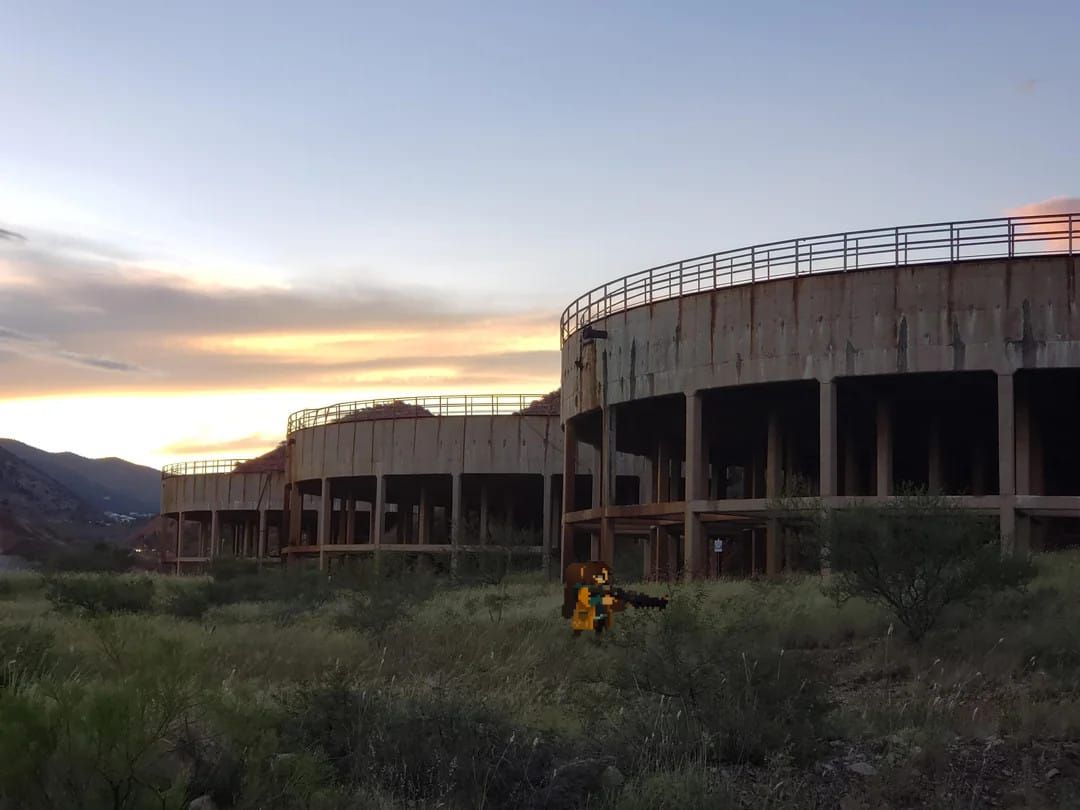
Just thirty minutes south of where I grew up was an old Navajo ghost town. 'Town' is maybe a misnomer, being such a modern work that it conjures up a picture I don't mean. A fifty foot well over a half-acre across that plunges to a deep blue-green pit. Littering the sides of the cavernous mouth are the old dwellings. The people came and went a long, long time ago, so they say. Of course I knew what happened to most of them: Genocide is the primary culprit of why so many of our Native American heritage sites are abandoned.
If you head a little west, the town of Jerome, Arizona is a former ghost-town turned biker town with artist problems. One of the original outlaw towns in the desert has since become a tourist destination, winery location, and the sight of many a great sunset. Living in the area you either get used to the tourist-y folklore or you start asking around. I came to see the town of Jerome for what it is: an inhabited ruin, still sliding foot by foot down the same mountain every year until the inevitable end. It could be in fifty, it might not be for a hundred years.
A soft spark in my heart was created as a teenager by Super Metroid. In it, you control a Bounty-Hunter traveling through a long abandoned planet taken over — colonized by one force or another looking to plumb its riches. I heard a park ranger tell me that all the words we've got for the lost cities - ruins, towns, places like Chaco City in New Mexico or Ardmore, South Dakota have something in common: much of what's not preserved is our imagination, our words for the experience of the long dead. In some cases the names we give to long-gone places have no trace of whose history actually lived there. Ask your park rangers more questions: you develop a good sense of the world standing in nature all day.
In the storied realms of fiction we grow words for our historical villains. In Super Metroid they are Space Pirates. In Rusted Moss they're Scientists. In Castlevania: Symphony of the Night it's the one and only Count Dracula. Here the connection is that all of these places are spoiled of their riches, controlled by one Force that the players are sent to disrupt. In Alruna and the Necro Industrialists it's those in the subtitle that have similarly spoiled the world.
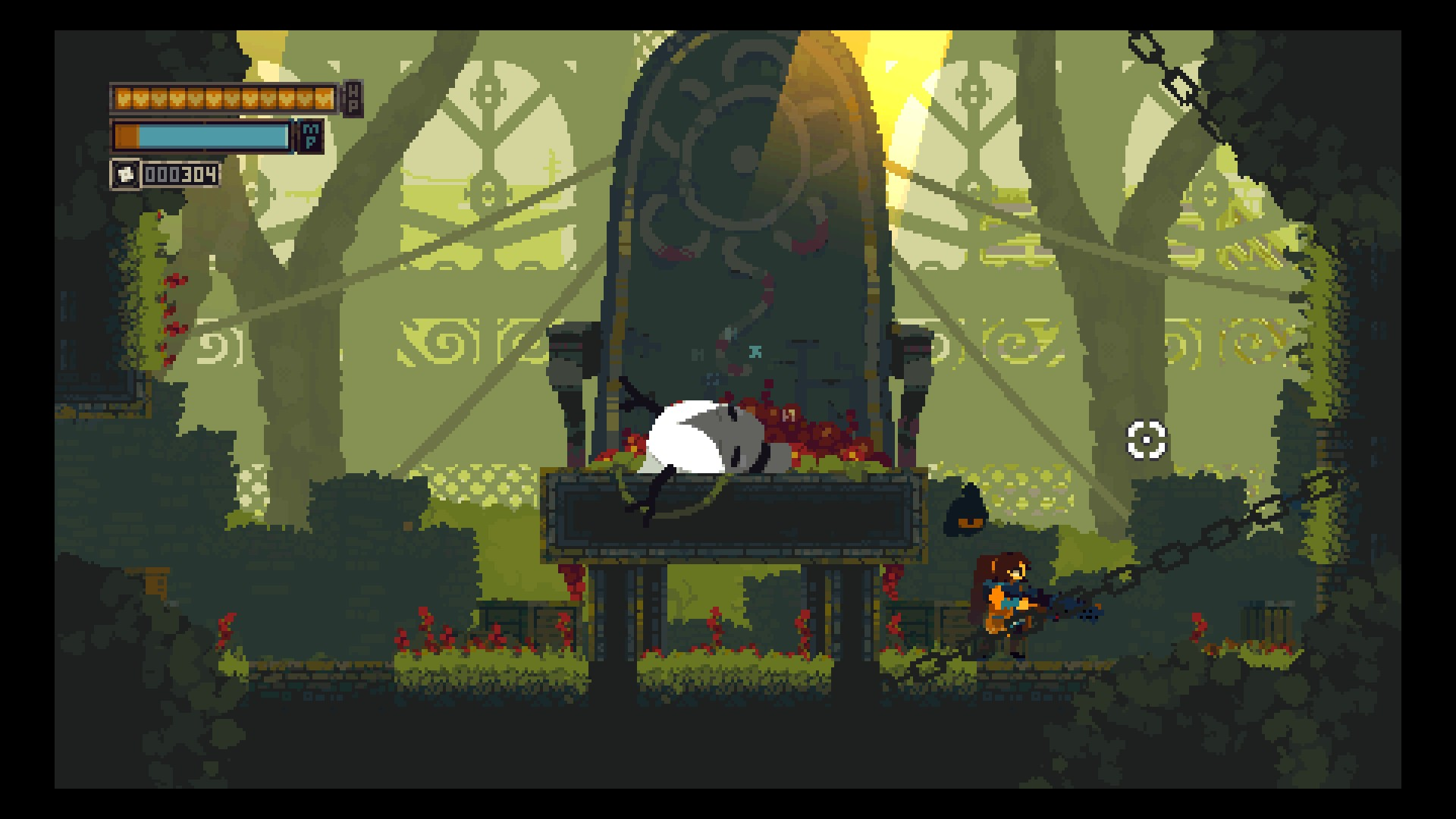
Okay I can go no longer for good or for ill: I don't like using the term Metroidvania. I've gotten in at least two in-person arguments that were petty and mean enough to permanently end friendships: there is a type of person that can't do something as much as talk about videogames in public and most of us might be closer to that person than we think. The search-action genre is dominated by notes and tones of the apocalypse, even when not fully present in the plot.
Zebes, the planet in Super Metroid that sets the series’ convention of chiefly taking place on formerly inhabited worlds (barring the inimitable Metroid Fusion) long given over to industrial colonization by colonial powers that can only be thwarted by The Player.
I've written a lot about Samus Aran through the years and it's through her eyes we experience the ecosystems of the series. Samus Aran is a toy to be played with.
In comparison, Castlevania takes place in a setting far adrift from realities of expansionist colonial powers: Dracula's Castle and the surrounding country is distinctly European fantasy. Curiously, the series incorporates other environments within Dracula's Castle as its own separate ecosystem: the memories of their former globetrotting ruler, a despot and genocidal man known in real history as Vlad the Impaler: and so the worlds of the term Metroidvania are often both historically rooted fantasy and pure fiction ruin.
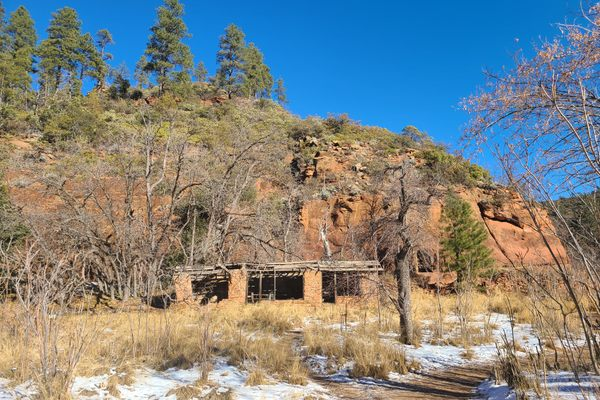
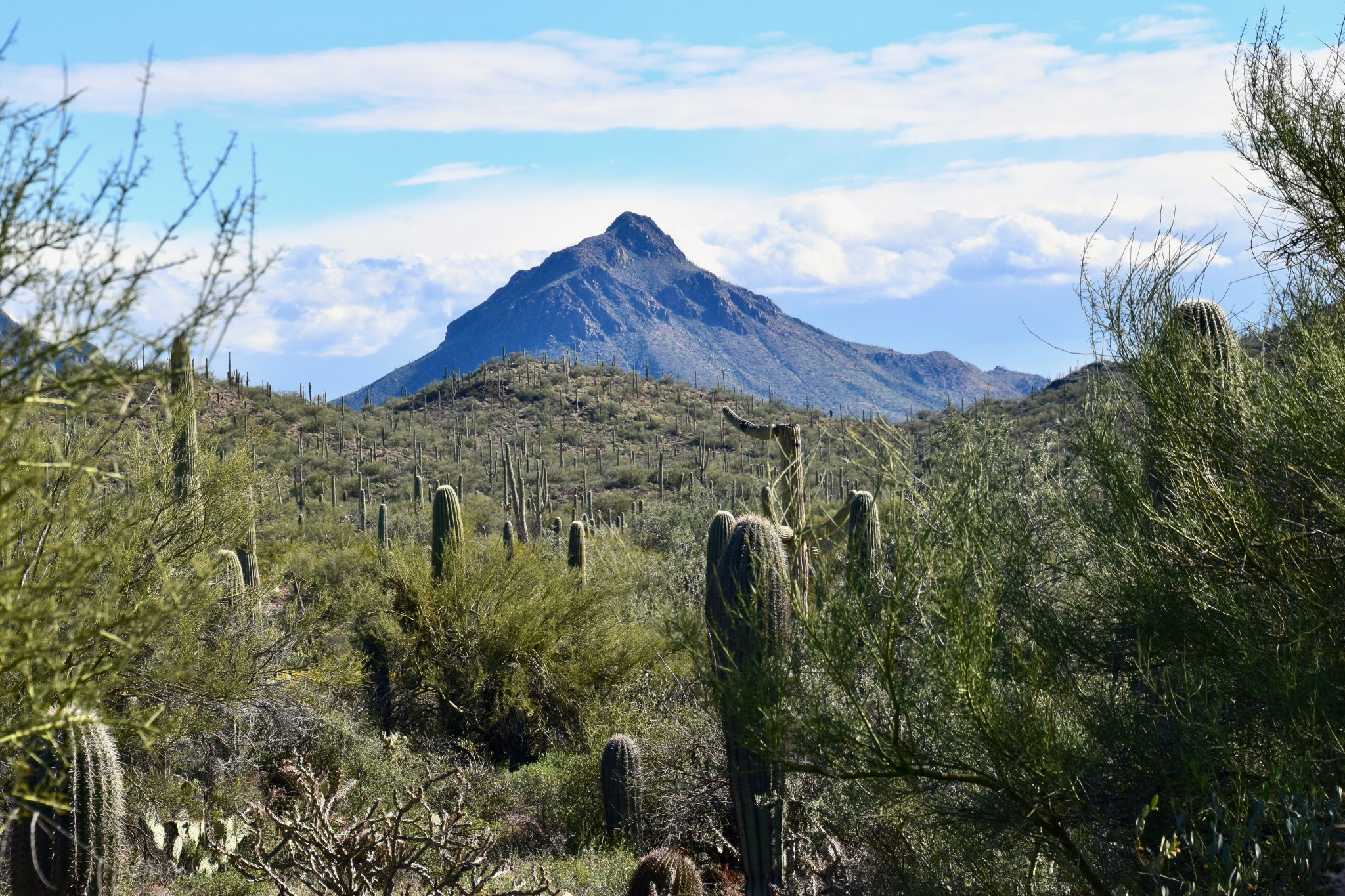
Southwestern America collapses in on itself. Across five or so distinct states are an interlocked ecosystem of desert plateaus and distinct biomes bleeding into each other. I could call these places forgotten but they are only that to the legions of people locked away in suburban housing buried deep in sprawling southwestern sprawl. Outside of this are the low places on the Earth filled with a history still surprisingly oral: a hidden network of Native Folklore, Park Ranger research and dwindling state budgets are all that keep it alive.
Temperatures in the southwest can frequently reach to the tune of 110 degrees or more. Direct sunlight is caustic to the human body; moisture evaporates quick enough to create dehydration almost instantly. Summers aren't often spent outside unless in the earliest morning hours or the late parts of the night. Darkened desert opens up with sprawling lights: camping teenagers and these formerly low places become illuminated by spotlight, hikers, and explorers.
A high desert sun paints the history right off of a place. Cracks, weathering, and erosion become highlighted scars on a landscape that will always outlive the people settled on it. Now the parks do something curious in that blight of noon: the past is replaced by old corrugated signs and crumbling paper. Our current administration wages a never-ending war on the places Americans have learned to take for granted from RV culture.
And yet when the night comes the southwestern teenager, explorer, hiker undergoes a selfsame transportation. The trails close at 8PM but seldom will you ever be truly alone in the desert after hours. Places exposed by the sun can draw up their secrets again and any campfire becomes enough to tell a story of people who once lived there.
Dracula's Castle has been revisited if not by name then in theme — the french independent developer Migami has been obsessively making games as homage to Castlevania since 1998. Beckoned back to the Castle like his own son, I will always return to anything with the Castlevania name. I'm often left disappointed by the focus on regality, splendor, giant museum-esque castles still shimmering in the dark with gold.
Migami's games have something that I often only find in this genre when it explicitly takes swings at approaching the Apocalypse. The end of all things, the demise of the world. Prince wrote an album about the world being coercively forced into a direction of entropy called 1999. It's the same year the Castlevania series itself was obsessed with for over a decade, never picking up on a story thread fans clamored for that was the undoing of the series legacy.
And in the sprawling high-res pixel art of Migami's group of brains there is something real and evil in all of the dust. Death and decay touches everything from the countryside to the strange fallen taverns dotting rural France. Castles here are not ornate boxes meant for the player to solve but often frustrating and unrewarding doomed places filled with monsters. Here, a sudden surprise might be a ghost easily capable of trapping and killing the player with no exit. More likely a piece of background art is positioned in such a way to provoke an immediate startling reaction. Even through the subtext of a platformer game with double jumps and mystical abilities, areas in the game share a language of space with reality that makes them feel larger without forcing the player to go through screens and screens of empty mausoleum hallways because a developer only remembered how Dracula's castle looked. We are in the mire of feeling now and writers, critics, and developers look for ways to make audiences feel like they do—while offering little to cultivate it but their own memories of the past.
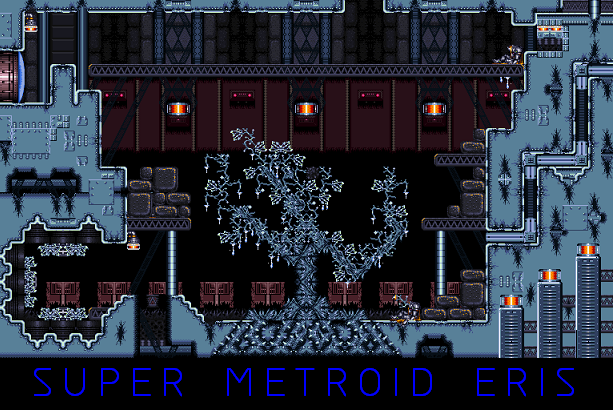
Super Metroid: Eris is a romhack for its namesake. Created by an artist who calls themselves Digital Mantra, it was released in 2012. Almost a full fifteen years ago and it mostly rested in the claws of speedrunners and obsessives until being discovered by a few youtubers earlier this year. I've known about it since playing it originally in 2017 after being strongarmed by a friend who would not quit repeating that it might have been one of the best games they've ever played.
Eris is billed as 'survival horror' and has a followup, the more recent Super Metroid: Vitality. Digital Mantra's hacks are known for mind-bending layouts that require decent familiarity with the systems and mechanics of the original game. They're also known for the way the artist themselves uses the standard tileset every other romhack does to create vivid surreal landscapes. These places are a darker reflection of where Metroid has gone as a series obsessed with color and setpiece. Samus breathes alone, only the barrier of her suit protecting her from the strange flora and fauna of the mysterious worlds Digital Mantra takes her to.
I can't stop thinking of Eris lately. Bizarre ended little worlds begging to be explored, to be found. The sun feels like it's setting on the familiar, painting what was concrete in the technicolor oranges and blacks that wash out the world beneath them. As if there was a stranger world we once could have gone to ourselves if we'd taken the right exit—not marched forward into this identical maze of excess and sometimes-neon pixel art. The world is not so much in the hands of artists, now.
Artemis here. Stop Caring is reader supported and 100% free. Please consider subscribing or making a one-time donation to make more of this possible. All donations go directly to the author of the piece.