A Soul-Injecting Conversation With Jeremy Couillard
On videogames, his latest release, weed, the art world, and our gooning culture.

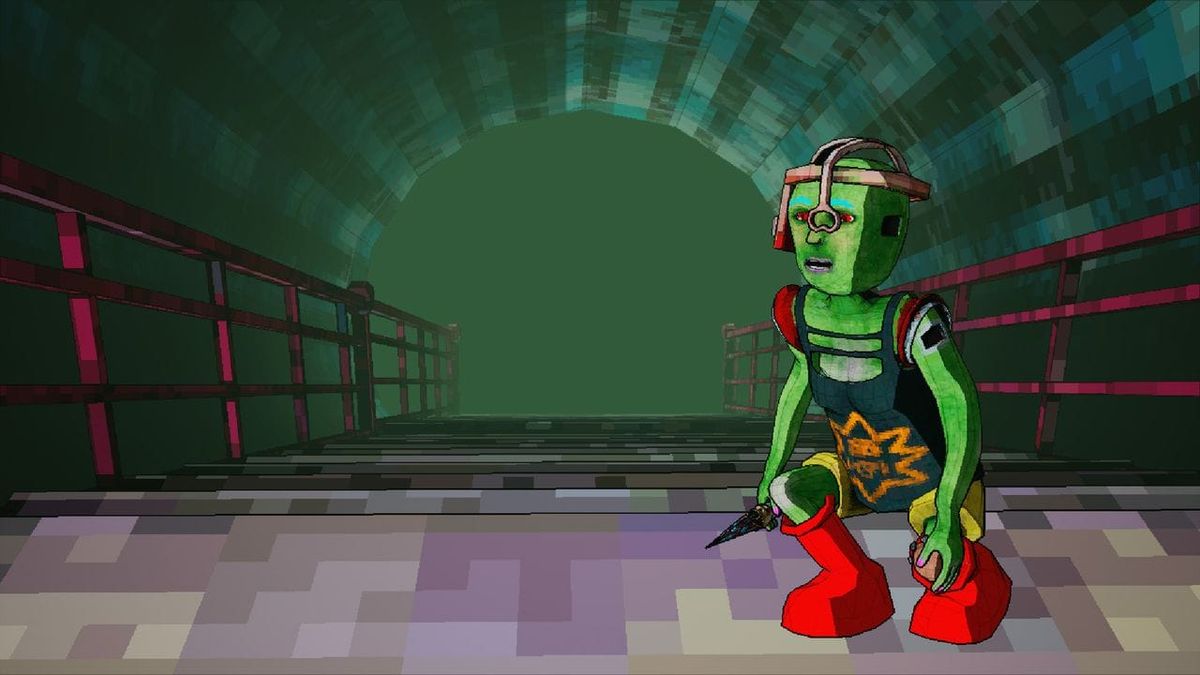
Jeremy Couillard is a multimedia artist and self-taught games developer known for creating surreal, weirdo virtual worlds. Despite their abstract styles and impenetrable goofiness, it is difficult to play Fuzz Dungeon, Alien Afterlife, or Escape from Lavender Island without noticing Jeremy's contempt for the indignities of our material reality, and his desire to see something better and weirder to rise from the mess that is our current historical moment. The characters in these games — layabouts, potheads, and rebels — are always dreaming of utopia, regardless of their circumstances. His games are about freeing ourselves from the shackles of capitalistic obligation. They ask us to radically change our exterior reality as well as confront our collective ennui.
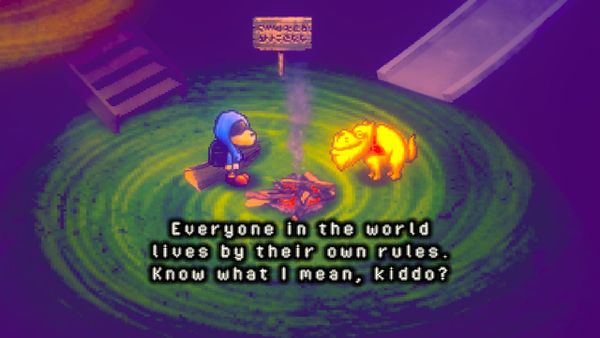
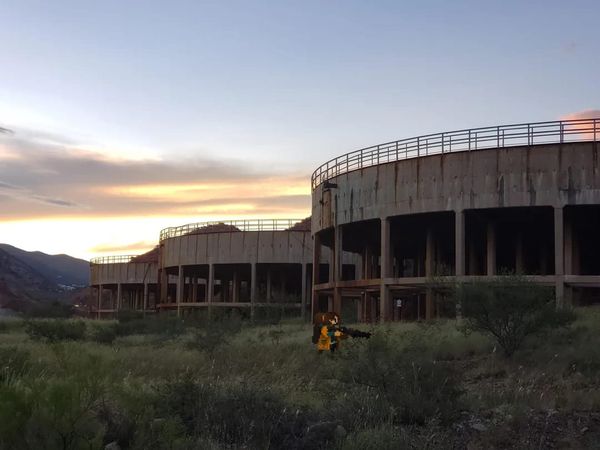
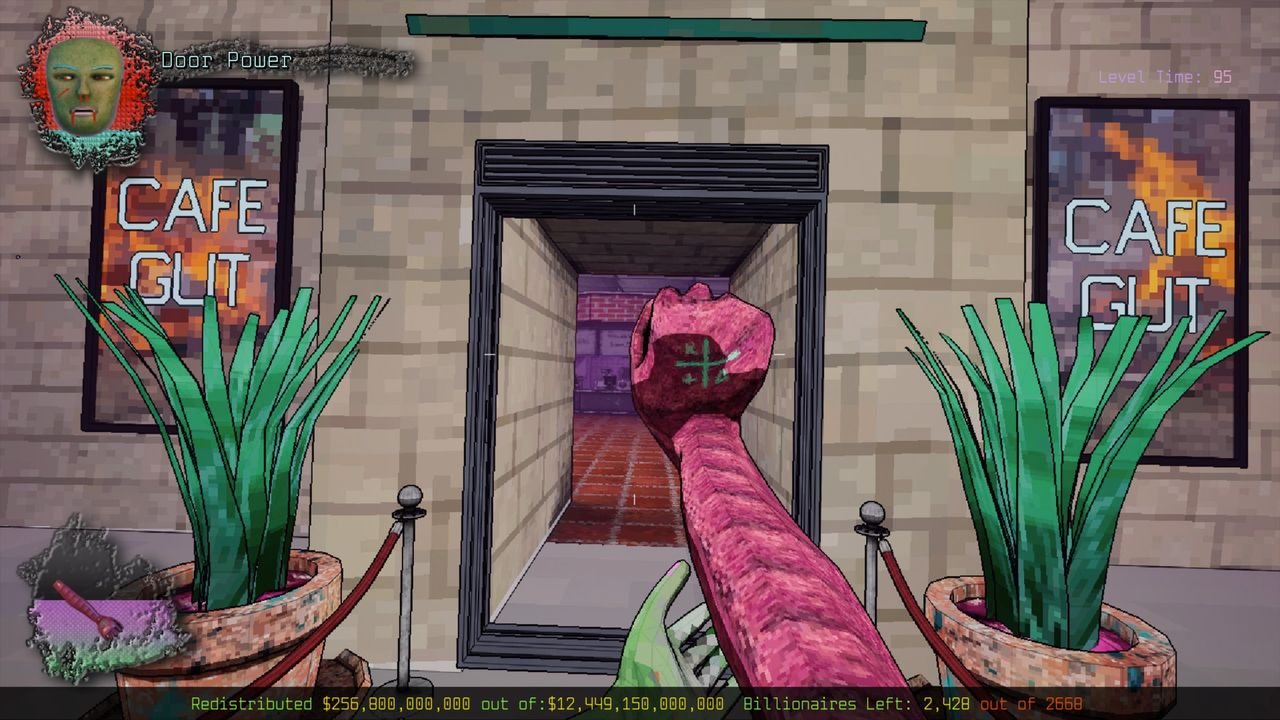
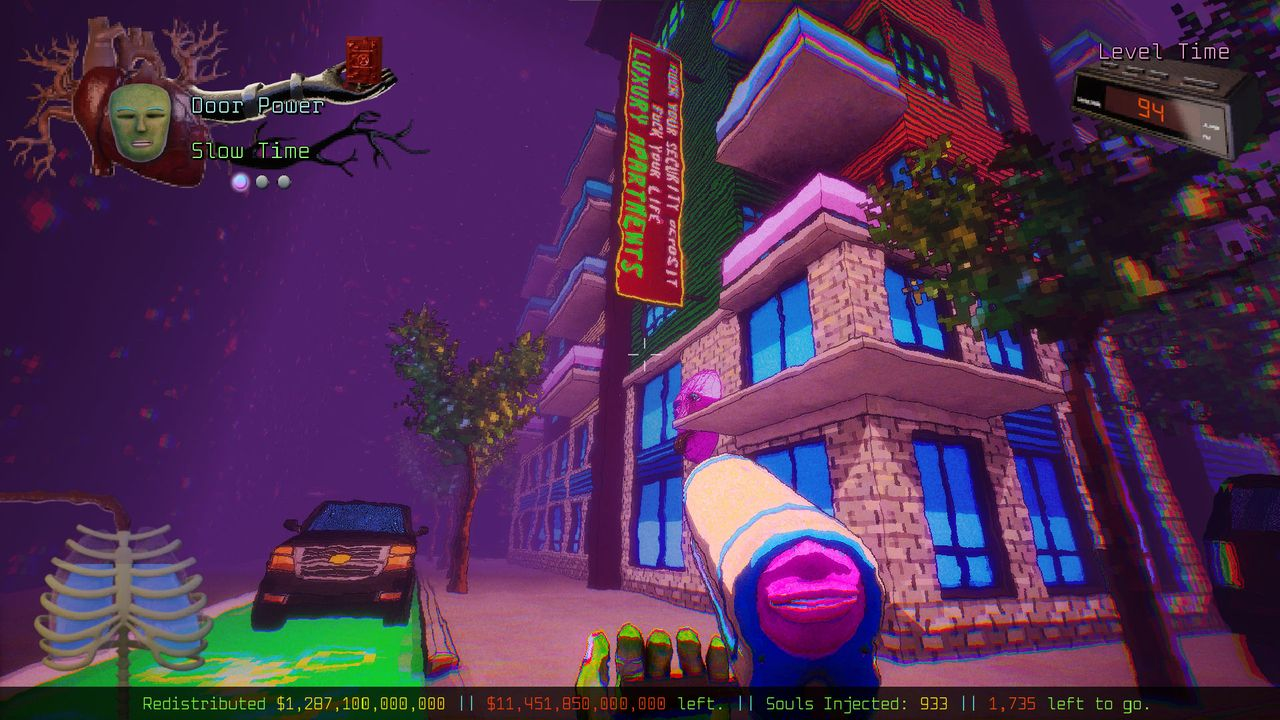
I jumped on a Discord call with Jeremy a few weeks back, utterly fascinated with his latest game, Soul Injector Commando. Couillard describes it as a "cozy" FPS in which you must "inject souls" via ridiculous weaponry into billionaires, after which they redistribute their entire net worth to the less-privileged and acquire jobs that actually benefit society, such as becoming a nurse, carpenter, or gardener.
I was debating whether to leave in all the different times we cracked up and laughed, but they would've overtaken the entire piece if I'd done that. Below, you will find a mystical transcript of our conversation, our bodies transcending our physical forms after alternating rips from the Forbidden Grav-Bong. I simply had to take the chance to ask the silliest game developer I know the questions that were plaguing my mind: what videogames he likes, his process, his past and future projects, what kind of weed he smokes, and, because I am the writer that I am, what kind of food he likes to eat.
Artemis Octavio: First off, thank you for taking the time to speak with me today. I ask this question to every single person I interview: what was the first videogame you ever played?
Jeremy Couillard: Well, I wish I had a unique answer to that question, but I'm old and we got an NES in 1987, so Super Mario Bros. was the first game I ever played.
AO: And how old were you when you first played Super Mario Bros.?
JC: Seven. I was born in 1980. So I'm an old, old guy.
AO: What would you say is the game you've played the most? What's a game you've sunk an ungodly amount of time into?
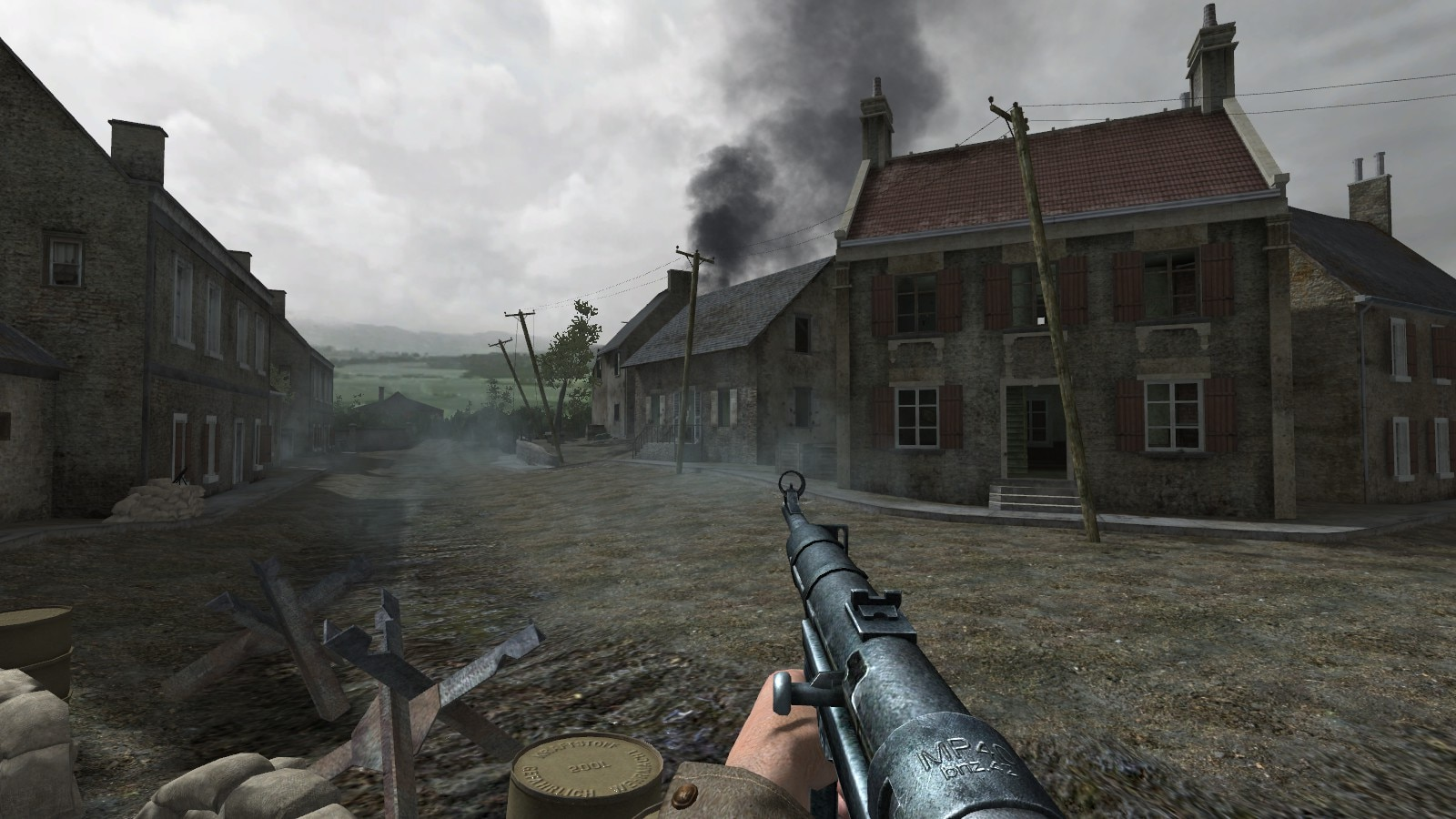
I mean, honestly — and this probably inspired my latest game – it's Call of Duty 2 from 2005. I know it's a weird answer. I had a job at a prep school in the Upper East Side. It was a high school job so when we weren't teaching we didn't have to do anything. We installed Call of Duty 2 on all the computers in the staff room and we would just play on our breaks. I worked there for six years and we played Call of Duty 2 constantly. Weirdly, I never got very good at it.
I had already left that job in 2010 or something? And then during COVID those people I worked with were like 'let's start this back up again.' So we rented a server and we started playing Call of Duty 2. My brothers joined in — I have three brothers — and we were all playing. It was just a way to stay in touch.
There's this quote...who said it? I don't remember...but I saw some quote that was like 'Men invented shooters so they would have a reason to talk to each other on the phone' or something stupid like that. I wish I had a cooler game to give you there, but, to be honest, Call of Duty 2 has the most hours on my Steam.
AO: See, I still think that's an interesting answer cause I hear 'Call of Duty' and I think 'Ah he's gonna say Modern Warfare or some shit like that' but no you chose Call of Duty 2, still in WWII, not a very usual pick for the series.
JC: Killing Nazis feels a little better. It's not as bad as the modern Call of Duty games.
AO: You are a celebrated multimedia artist. You've had exhibitions at multiple museums and galleries around the world. Your practice is also very closely connected to videogames. My question is...why? Why are you so interested in videogames?
JC: Well, I went to art school for painting in 2010. I always did art — I made comic books and then went into painting — and eventually I got into graduate school. And I really like painting, I still do it from time to time (although, I haven't done it since I've moved). But yeah, I guess I consider myself a painter because that's my foundation. But, in grad school I didn't find the conversations around painting super engaging or really representative of the times we're living in. I really like painting and I think that there's a lot of painters that have really good conversations and ideas. But I couldn't arrive at the ideas I wanted through painting, personally.
So I started doing animation. I was always a nerd and on the computer. Then I slowly moved into 3D animation and I started making weird little videos. I noticed during the critiques in grad school that I just found myself enjoying the conversations around animation work a lot more than I enjoyed the conversations around painting.
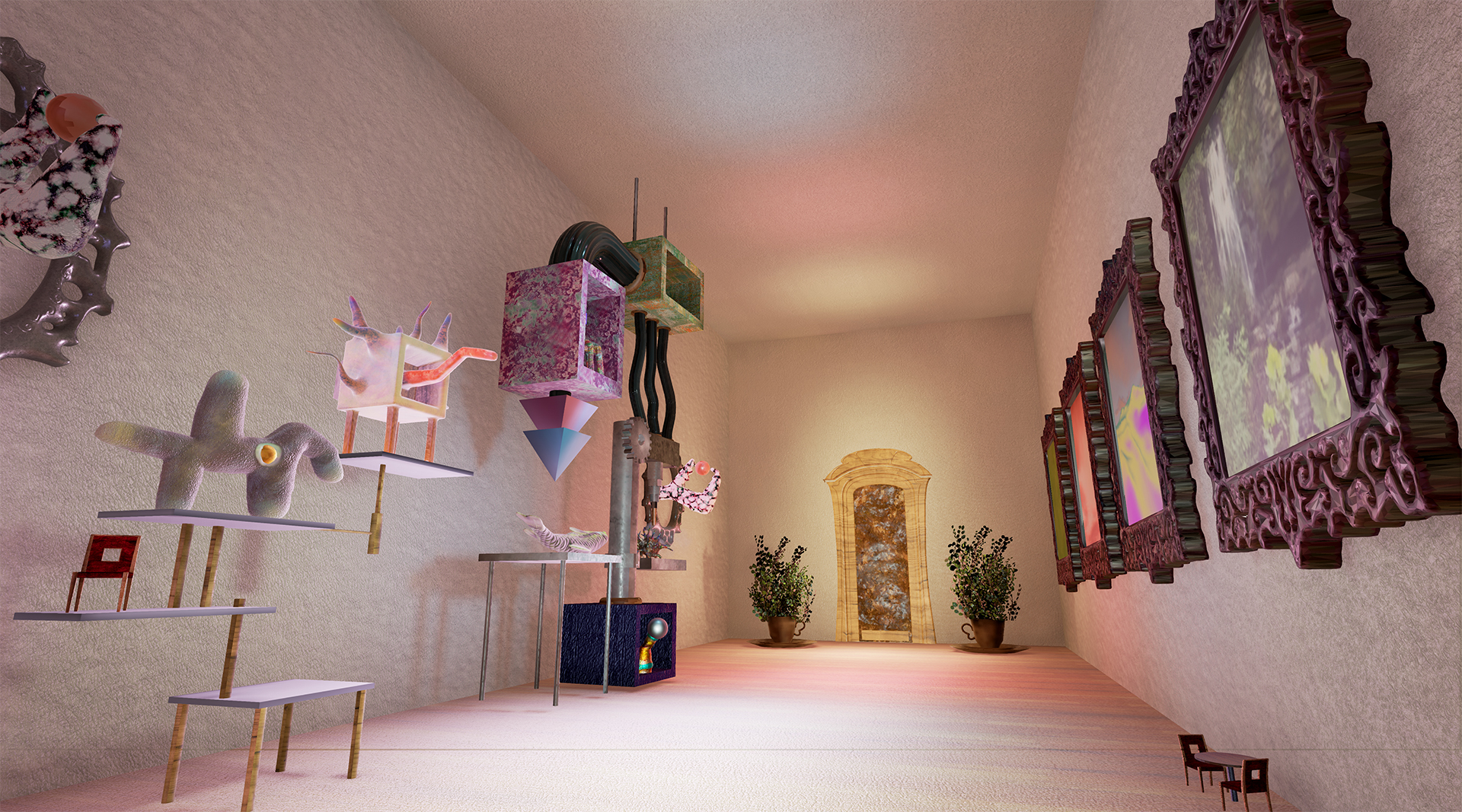
Then one day I really wanted to make a forest. I wanted to get more into worldbuilding. I know it's a term that gets thrown around a lot, and I don't even fully know what it means, but I just wanted to create bigger worlds. Then that brought me into game engines. Because those are just set up to have more stuff inside than one animation scene would, you know? I started downloading a bunch of game engines and learning and messing around with those. And I just found that I really liked using them for animation, so that brought me into videogames.
I guess another answer to that would be that, in school, one of my teachers had this question he asked people when he would visit their studios: 'What's first thing you thought was beautiful before someone taught you what beauty was?' And for me that would easily be Super Mario Bros. I was obsessed with Nintendo and stuff when I was a kid. I just thought it was the most amazing and beautiful experience. And I wanted to recreate that and in the early 2010's when game engines became free and easily downloadable for anyone I sorta started getting into them. Sorry if that was maybe a bit of a long answer.
AO: No, no, we like long answers here in Stop Caring.
JC: Oh, well I could go on but...
AO: Was there ever a period in your life where you were like "fuck videogames"?
JC: Every day. I've never not thought that.
AO: You know, I also have some experience in the art world and I felt like a lot of people really looked down on videogames as a medium. Have you found that to be the case in your engagement with the art world?
JC: You know, it's tricky. I have a lot of things I could say about this. Let's see...where to start...I'll start with the positive: no, not at all. A lot of people are super open to them and really interested in them. I think people who like art like culture, and they are really curious about videogames. They don't play them, but they're really open to a discussion about them or learning about them. I've had a lot of great experiences showing games and having conversations about them with...I'll say most people. A lot of people are curious about them. They don't play them, definitely. In the art world everyone has a MacBook and they don't do any PC or console gaming. But they're definitely curious about them.
I would say more so in academia I struggle a little bit. It's always just one person who does videogames in any department and then everyone else doesn't really know or seem that interested in them. So maybe that's a thing, people not taking them seriously in an academic setting. But that's what I love about them. It's this thing that's baked into the definition: it's not supposed to be serious. That's why I got into them. It's because it's a space where a lot of people don't know what to do, you know? But it is such a major part of our culture, and I think artists and academics should think about it. But it's too new, I guess.
AO: I agree. The whole 'Are videogames art?' discourse can get a little stale. At the very least videogames are culture and should be examined as such. I've had similar experiences: some artists and academics really look down on them, but most of the artists and academics I personally know are into them, or, at least, interested in them as a part of culture. They're not like, 'serious gamers', but they've played videogames. They're certainly interested in them.
JC: Yeah, I mean they look crazy! I always think: what if you showed a medieval peasant Mario Kart 8? They're such insane looking things if you're a visual person. I think anyone would be interested in what's going on there.
AO: I wanna take a small break from the serious questions and ask some silly, quick questions from our readers. Are you ready?
JC: Okay, sure.
AO: Indica or Sativa?
JC: Sativa. Definitely. But you can't find...you know what? Sorry, this is quickfire. I'm just gonna say sativa.
AO: What is your favorite animal?
JC: Monkey.
AO: I knew we were bonded in some way. I love monkeys.
JC: Oh yeah? Are you also a monkey and sativa kind of person?
AO: Oh yeah. I'm definitely a sativa and monkey kinda girl. So, tell me, how do you take your coffee?
JC: With oatly oat milk. I use a Moccamaster.
AO: This one's not as rapidfire as the other ones. One of our readers was curious about the first videogame you ever made. Not necessarily the first one you published or released, but the first game you ever made. Also, what did you learn from that experience?
JC: Well, the first project I ever compiled into an .exe was a virtual reality game in 2015. The Oculus had just come out. I'd been doing animation and it was all in a square, you know? So I was really intrigued about the possibility of putting animation basically on a sphere and strapping it on a screen to your face. So I created this art show where you could go and have an out of body experience.
Oculus hadn't even come out yet, actually, I had to get a development kit. I turned the gallery into a clinic and we dropped the ceiling and put in carpeting and got a Keurig and stuff like that. Then I went to the basement of the gallery as this fake doctor and people would make an appointment and they would come down to have an out of body experience and put on the headset. The first thing they saw would be the gallery — I modeled it in Unreal engine. Then they would leave their body and go on this weird trip. That's on my itch. I don't know if it works anymore. I was just looking at the screenshots the other day. It was not very good, I didn't really know what I was doing but it was a fun show.
What I learned from that experience was that you should never, ever, ever hang out at a gallery where you have an art show because it will drive you crazy. Seeing how people react – and people didn't know I was the artist, also, so they were just free-reacting, you know? And having to experience people's reactions...it drove me crazy.
AO: In what way did it drive you crazy? Did the show get a negative reception or something?
JC: No, it was mostly positive. A few people were like 'What the fuck?' But most people were really into it. Because VR was so new, no one had ever done it, everyone wanted to do VR, so they didn't really care about this art show I spent two years of my life and tons of money developing. So that was a little frustrating. That was not their fault or a negative thing. It's just the reaction from that time period. It was just like...I don't know...just having to...care about it all day or something? Just seeing people's reactions, even if it was positive, was driving me crazy.
AO: Jeremy, can you say trans rights for us really quickly?
JC: Trans rights.
AO: Thank you Jeremy. Let's talk a little bit about your latest game, Soul Injector Commando. You decided to place most of the world's billionaires — their names, faces, and net worth — inside your game in order to 'inject them with souls'. How much research went into your game?
Well, I had to figure out how to scrape data. I'd never done that before, so I had to figure out how to scrape the data of the billionaires from Forbes. I'm a little nervous about this part...I talked to lawyers and stuff. I don't know what I can say or what I should say on the record. But it's obvious from the game: the data comes from Forbes, we scraped it. I had to have a programmer help me with that a little bit — 'cause after you scrape it you put it into a spreadsheet.
One big thing was we had to get their pictures. This programmer wrote a script for me that downloaded five of their pictures and then picked the one where their eyes were closest to the center so the pictures would map onto the face of the bad guy in the game. This is a really nerdy answer to this question. The game is purposefully extremely stupid and easy to understand: 'Billionaires suck and they should go away.' So that didn't need any research. The main research was in this workflow, of getting the data of over 3000 bad guys into Unreal Engine, if that answers your question. I don't know if you had a different avenue you wanted me to go down.
AO: Not at all! I generally ask these questions to be as freeform as possible. Whatever comes to mind. This leads pretty easily to the next question I wanted to ask: did it psychologically affect you to be exposed to billionaire's faces so often throughout the development of Soul Injector Commando?
JC: I don't know...that's a good question...I didn't really look at them that much. I got so good at the game after a little bit — just cause it's my game, I have to test it all the time – that I was just headshotting them immediately. So, I didn't have to see their faces too much. I kind of consider Soul Injector Commando a period piece in a sense because all that data is from 2003. I had the intention of updating it to current billionaires but I lost contact with the programmer I was working with on that and I thought it was too technically annoying to update. And there's more and more billionaires every year and I had to figure out where to put them in the game. Because you do go through all of them. There's 3,300 or something like that, and you have to get every single one. Now it's in the 4000s, that would almost be a new game. A thousand new bad guys.
But, I did learn a lot about them. Their names pop up every time in the upper corner when you 'inject' them and it states what job they got after they acquire a soul. I saw a lot of these names and, just for fun, I would Google them to learn about them. It's funny cause the few streamers that were playing the game were doing it as well, which was so awesome. Because that was the whole point of doing that. A lot of these people I Googled are either arrested, or dead, or under indictment charges. They're almost all criminally involved in something.
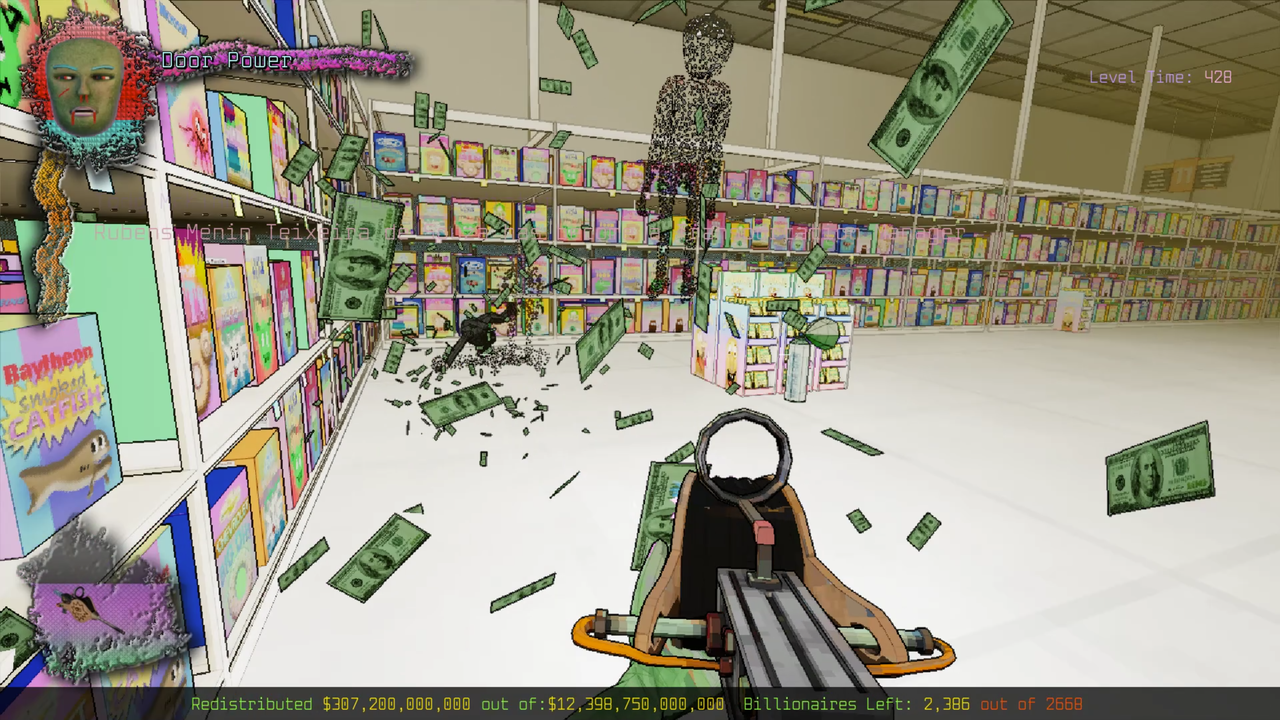
AO: I initially thought 'oh these are just random placeholder billionaires.' But then I started paying attention and I noticed these weren't generated names, these were real names. So I also Googled them and had that same experience. Then came a slow realization. I knew what was coming. I knew that the more I progressed through the game the more I would start recognizing their names and faces. In that final section, in the rocket ship, I was streaming the game to some friends and we laughed at how funny it was to be able to 'inject souls' into Zuckerberg and Bezos. We really appreciated that experience.
JC: That's awesome. My friend was like: 'Why don't you lead with that when you describe the game? In terms of marketing, why aren't you saying these are real people and just make that super clear?' But that's exactly why: it's more interesting for people to figure that out on their own. Thank you for telling me that.
AO: Why was it important for you for the game's combat to be non-lethal?
JC: You know...I guess I was a little bit...I think there's a law where you can't make a game that is violent towards people that exist in real life. And I was thinking about that, mostly. I want this game to exist, I don't want it to get taken down. I want people to play it and inject billionaires with souls . I was just thinking about that. I would love to say 'Oh, I'm a non-violent person blah blah blah,' but I think these people are very violent people. But yes, basically: I could not make media where you could inflict that type of violence on real people. But then a lawyer told me it doesn't really matter — if someone wanted to have a problem with it they still could.
AO: Well, here's the good news: I don't think billionaires or their lawyers are playing weird art games. You're probably gonna be okay.
JC: I think this is probably gonna fly under the radar.
AO: But it will infect the minds and hearts of multiple people. It was such a cathartic outlet to have.
JC: Oh, great. I'm so glad to hear.
AO: Are there any important political texts that have inspired your work? I've played all of your games and I notice a little bit of a throughline...
JC: Yeah...in terms of theory?
AO: More in terms of...political affinity. What you hope for the world. And your constant comparison of utopias versus dystopias. You're clearly dreaming of a better world through your games.
JC: Totally. In terms of political texts, I really like David Graeber and Emma Goldman. These are two anarchists. But I'm trying to keep it super simple, and something that really motivates my work is how many things we do in the world even though we don't want to do them. I always think about a work meeting. I am sitting in a work meeting and literally nobody wants to be there. But we're still doing it for some reason?
A better example, which I explicitly mention in my previous games, is the City. A city should just be a place where people live, and work, and can have fun, and get together, and walk around, and go get food, and hang out, and whatever. But, at least in the U.S., so many cities are parking lots for cars and investment portfolios for rich people that want to buy property. That feels like the main function of a city in the US. You walk around and there's fucking cars everywhere, and they let them park on the streets. If you rented an apartment the size of a couple parking spots in New York or Chicago it could still cost around 1000 dollars. That's crazy! But these cars can just park on the streets and it's like...why do we do this? They're ugly, they pollute, nobody wants to drive around just to sit in traffic. We're given this world that we don't want, but we keep participating in it and it's crazy. So when I'm dreaming of a better world I'm thinking 'What if I didn't have to go to this fucking work meeting?' or 'What if my rent wasn't half my paycheck?' These really basic things.
That's related to what I was thinking through Soul Injector Commando. My other games were very vague in their ideas, that was some of the things people would say: 'Ah you're just being weird to be weird.' So I was like, okay, let me just do something super in-your-face and straight-forward. A really basic idea: no one should have a billion dollars. It's totally crazy that any human is allowed to accumulate that much net worth. It is a blight on everything that we allow people to do that. Literally, no one wants them to do that. But they keep accumulating more and more.
AO: I completely agree. It is such an indignity that people can amass that kind of wealth while children are starving or people are without work or shelter. That's what drew me to your games: they're weird, they're silly, but they carry some element of seriousness, some reflection of the real world while dreaming of utopias.
JC: Yeah, and I am trying to do it in such a simple way that doesn't rely on specific hard to read theory.
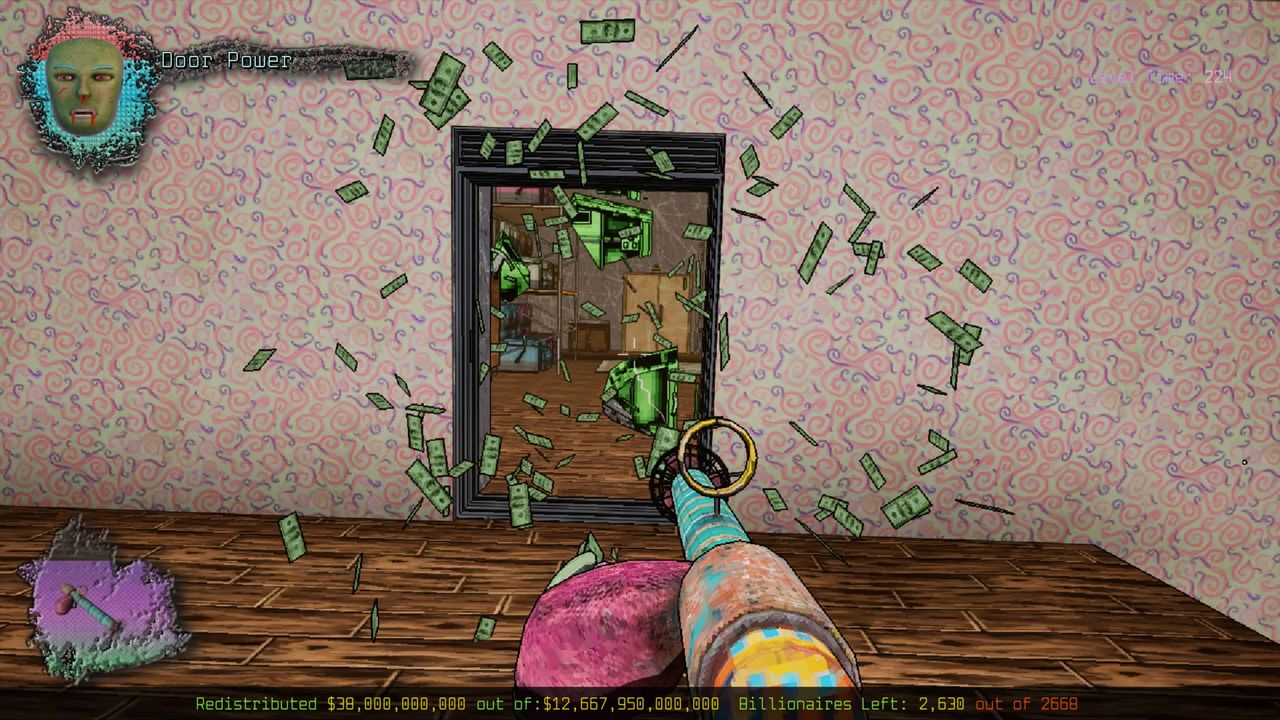
AO: I say this with a lot of kindness and appreciation, but your games are kinda janky. I think it adds to the charm. I am on record as a defender of jank. How would you describe your relationship with jank? Do you embrace it? Is it an accident? Or is it a kind of a like "fuck it" thing, where, at a certain point, you just don't care about making it perfect in a mechanical sense?
JC: There's a few levels to that. On the most basic level it's just me and a musician, mostly, working on these. Sometimes I'll bring in a programmer if there's something I don't know how to do. We just don't have time to put all this polish on the mechanics or the graphics. So I come up with a lot of ways to take shortcuts and not do what a AAA developer workflow demands of you, because then the games would take ten years instead of two. So that's one aspect.
Another aspect is just that life is fucking short. I don't want to spend that much time polishing a mechanic that doesn't really matter. I keep the games not too long, also, because...well, I'm old. I have a full-time job, one or two friends, a partner, I don't have a ton of time to one-hundred-percent Red Dead Redemption 2 or something like that. So I like keeping my games short, a little janky, fun, light. Also it just helps people realize 'Yes, there are serious topics in this game, but overall it's a goofy game'. This is not propaganda or a drama. End of the day, my games are more comedy and goofiness than anything. The mechanics and the jankiness fit that vibe more than something slick.
AO: Absolutely. You know, Jeremy, I have to ask this, how the fuck did you come up with that Fleshlight sniper?
JC: I don't know, to be honest. But I do remember one hilarious story: when I first tweeted about it, many years ago, when I first put it in the game, the CEO of Fleshlight sent me a DM saying: 'We're gonna sue you...just kidding! Do you want a free Fleshlight?' He offered to mail me one. I was like 'I'm good, dude.' That was pretty funny.
Maybe you can tell from the game, but there is something in it about the culture of gooning. Everything is becoming gooning. I saw this on the Internet the other day, they're calling our era 'The Gooning Casino' or something like that. Everything is just porn and gambling. We have a character in the game, Franklin, this little gooner guy, and I thought it would be funny if he lost his little masturbation machine to the inventor and he turned it into a sniper. I thought it would be a disgusting, funny thing.
AO: These days, it does feel like there's nothing else to do except gooning and gambling.
JC: Yeah, right? I know.
AO: Well, Jeremy, unfortunately we are reaching the end of our interview. I only have two more questions for you. Could you give us a sneak peek on what you're working on next?
JC: Yeah. I could talk about it a little bit. It's really half-baked right now. I have two ideas. The first idea is to start with Jeffrey Epstein's game design idea. In his emails — he was a gamer, you know? — he had an idea about how to teach kanji to kids, did you see this? It was on Aftermath.
AO: Yes, I did see this. I read that whole article. Very disturbing.
JC: Yeah, super disturbing and fucked up. So I want to explore that cause it's super fucked up and weird. Then, I really like this game called BeamNG.drive, I see these videos online, these viral videos, of people shooting cars into the atmosphere. What would happen to a school bus if it went six hundred miles an hour? What would be its chances of survival? Have you seen these videos?
AO: I have seen those videos, I always wondered what game they were from. I just thought they were from a super modded version of Grand Theft Auto V or something.
JC: No, it's a car game called BeamNG.drive. They made their own physics engine. It's actually really well-made. So, I'm trying to recreate that cause it's so fun to watch these cars get yeeted down the street at a certain speed and you have a survival chance. So, yeah, I made that in Unreal right now and I made some characters, and I am shooting them into the aether and seeing what happens with the physics. And, somehow, I am going to make a game out of this. Both are just half-baked thoughts. I'm also teaching and coming up with ideas around seminars that I will probably work into the game, I'm sure. I definitely want to do something more vague.
AO: Thank you Jeremy. Unfortunately, I only have one more question for you, but it's arguably the most important one. From a fake New Yorker to a real one, what is your go-to bodega order?
JC: Well, I'm vegetarian, so I go for an everything bagel, toasted, with egg and cheese.
I want to thank Jeremy Couillard for taking the time to speak with me, John Michonski for assisting me with edits (please read and support his site, Gamesline), and YOU, the reader, without whom none of this would be possible. Stop Caring is reader supported and 100% free. Please consider subscribing or making a one-time donation to make more of this possible. All donations go directly to the author of the featured piece.
I want to give a shoutout to our newest patron, johnny n. Thanks for the coffee!