Dear Brother, Have Some Sake With Me
What so consistently drives a girl-like organism to the toxic yakuza sibling experience?

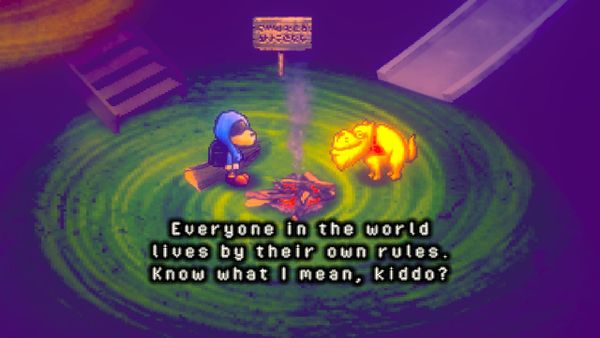
You remember a time when things didn’t quite go the way they do now. There’s no shortage of grief in your heart when you realize you keep having to look back further for it.
You’re the captain, and your older brother’s the chairman. The family has your shared last name, though it’s always been more his than yours. It exists because of his cruelty, his newfound hunger for power and complete dissolution of his ethics unrelated to the code. Everyone says that getting whacked in the head is what made him inhuman—it’s what you tell that annoying cop who blackmails you for information—but it’s also a change that feels rooted in something. A trauma response, maybe? You lack the language to call it that.
When he’s deemed insane—after a particularly bad fuckup has him facing prosecution for the attempted murder of a woman you didn’t even know was relevant to your business, thus leaving the whole operation to you—you don’t bat an eye at the verdict. It makes enough sense after the years of bloodshed, relapses, and impossibly cruel schemes he’s forced you to be a part of. With your calloused, always-gloved hands now holding the reins, you resolve to tear down his reign of terror. No more drug dealing, no more senseless punishment. Plenty of his men leave, either of their own volition or through the mass layoff you conduct. The family name is truly yours now.
And when, some five years in, you hear that he escaped his government-issued mental hospital cube and threw himself off the rooftop of a factory, that’s even less of a surprise. Maybe you’ve visited him over the years just to be stonewalled, maybe the mere thought of it made you sick. You mourn quietly for a year, doubtless among whispers that this is supposedly all your doing. Perhaps you have to fight off a would-be assassin or two, someone who loved your brother far more than you ever did.
But when you find out that he kept the fact he was a serial killer from you, that complicates matters to another degree. You’ve been talking about him with a restrained form of reverence, never fully bought into his brutal policies, but too aware of how much you owe your current position to him to bite the hand that once fed you. God knows what it feels about you; for all you know it may have stopped considering you an important variable several decades ago. You know what you feel, though. It’s a form of love that’s not all-forgiving, yet merciful enough to allow such a monster to quietly fade away.
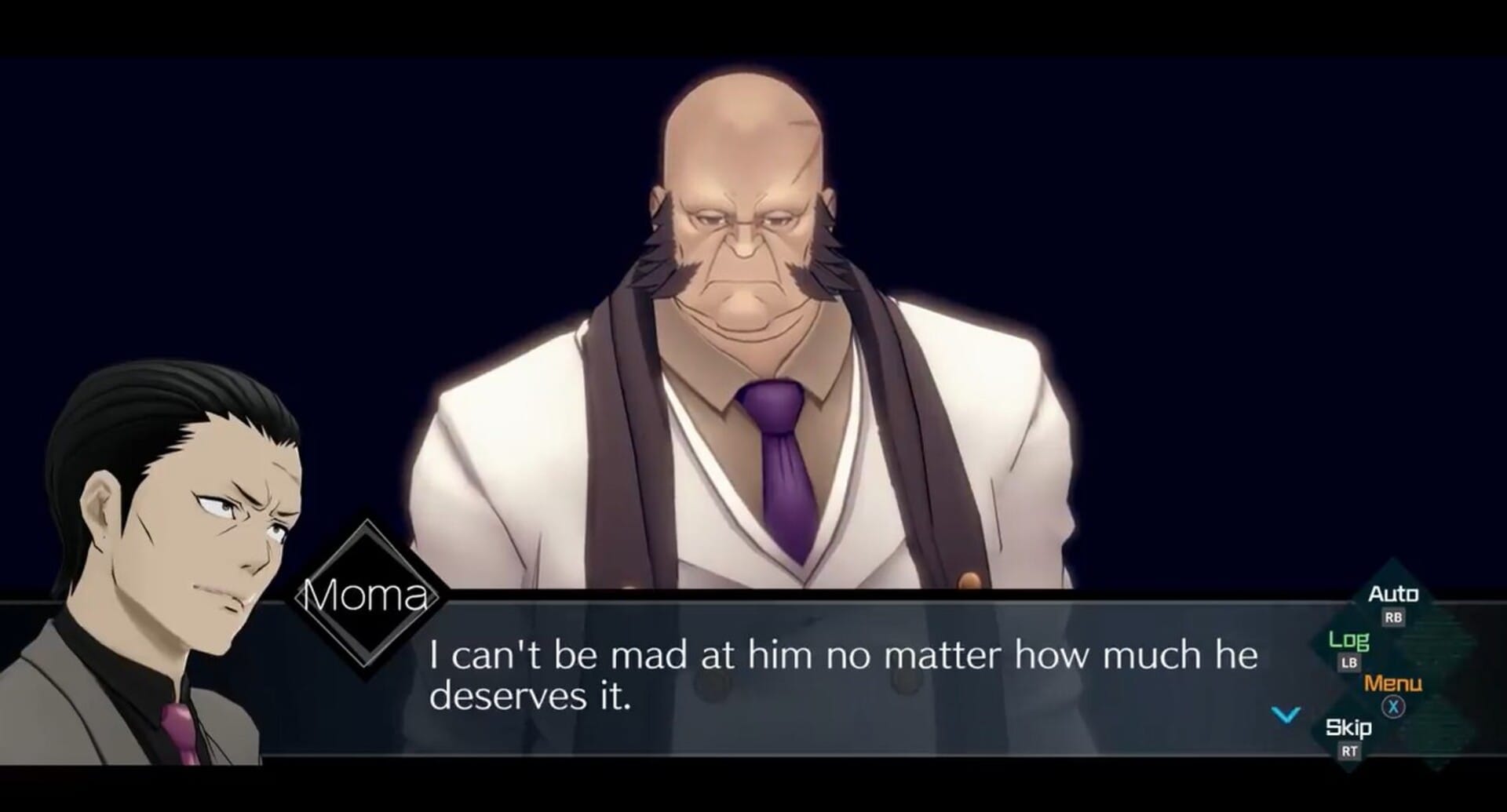
You are Moma Kumakura, Second Chairman of the Kumakura Family, Rohan Kumakura’s younger brother and next in line, and part of AI: The Somnium Files. You’re an underwritten bystander to the police-yakuza conspiracies at hand, in recent games deployed only for subpar comedy around your disturbing fascination with a teen idol—but a young journalist takes to your mostly implied tale of sibling tragedy like moss to rock.
You remember a time when things didn’t quite go the way they do now. There’s no shortage of grief in your heart when you realize you keep having to look back further for it.
You’re the rightful heir of your clan, but it’s not a position you ever wanted to be in. No matter how many 70s classics you study, your heart is too soft for the life and everyone knows it. This, however, isn’t the case for your slightly younger sister, a complete natural at the yakuza trade. She makes some of the other higher-ups think she ought to be the next leader, gifted as though she were the reincarnation of a legend. She has the charisma, the bite, the conceit, and the unblinking propensity for violence that would make her a fine ane-san if you can’t step up to the plate.
The issue, however, is that she wants you to. Despite her endless talent, absolutely nothing like your lily-livered wavering, she still can’t stop claiming that being the sidekick—the little sister—is where she draws her power from. She wants to live the advisor life, while you, the person she’s convinced is her better, guide your family to the next couple decades of brutality. You’ll start insisting to yourself you can both stomach and carry out the unfathomable.
You both get into the same high school, but she has to pay her way in while you get free education and the weight of an “Ultimate” title you already know you’ll never live up to. It undeniably makes her jealous. She convinces herself she can be recognized as the best at sidekicking; in fact, that empty recognition from a fascistic board of directors is what she bases her entire life around. There’s no living if she can’t play her part, and surely she expects you to play yours. You’ll both be perfect puppets for the abusive clan that raised you.
It’s in that endless posturing and yearning for the gaze of some perceived higher entity, trying to worm her way into getting that official title, that she gets herself killed. The best friend of the girl she’d been plotting to murder, and one of her bullying victims, is too wise to her tricks to let that happen. The plan around her death is complex but you get the gist all too quickly. You enact revenge for your little sister by clubbing her killer with a baseball bat, knowing full well it changes nothing. You let the superior sibling die. The ramifications of this incident will take even more from you: your classmate, your childhood friend/bodyguard/fellow abused shell, your right eye, your flimsy façade of an overly aggressive personality.
You are Fuyuhiko Kuzuryu, deemed the “Ultimate Yakuza” by pure nepotism, brother to one Natsumi, regretful survivor of the Danganronpa 2: Goodbye Despair killing game. The journalist is even younger when she meets you two, and you start her obsession with this trope. She hasn’t yet realized what it means for her that she’s taken to you this much.
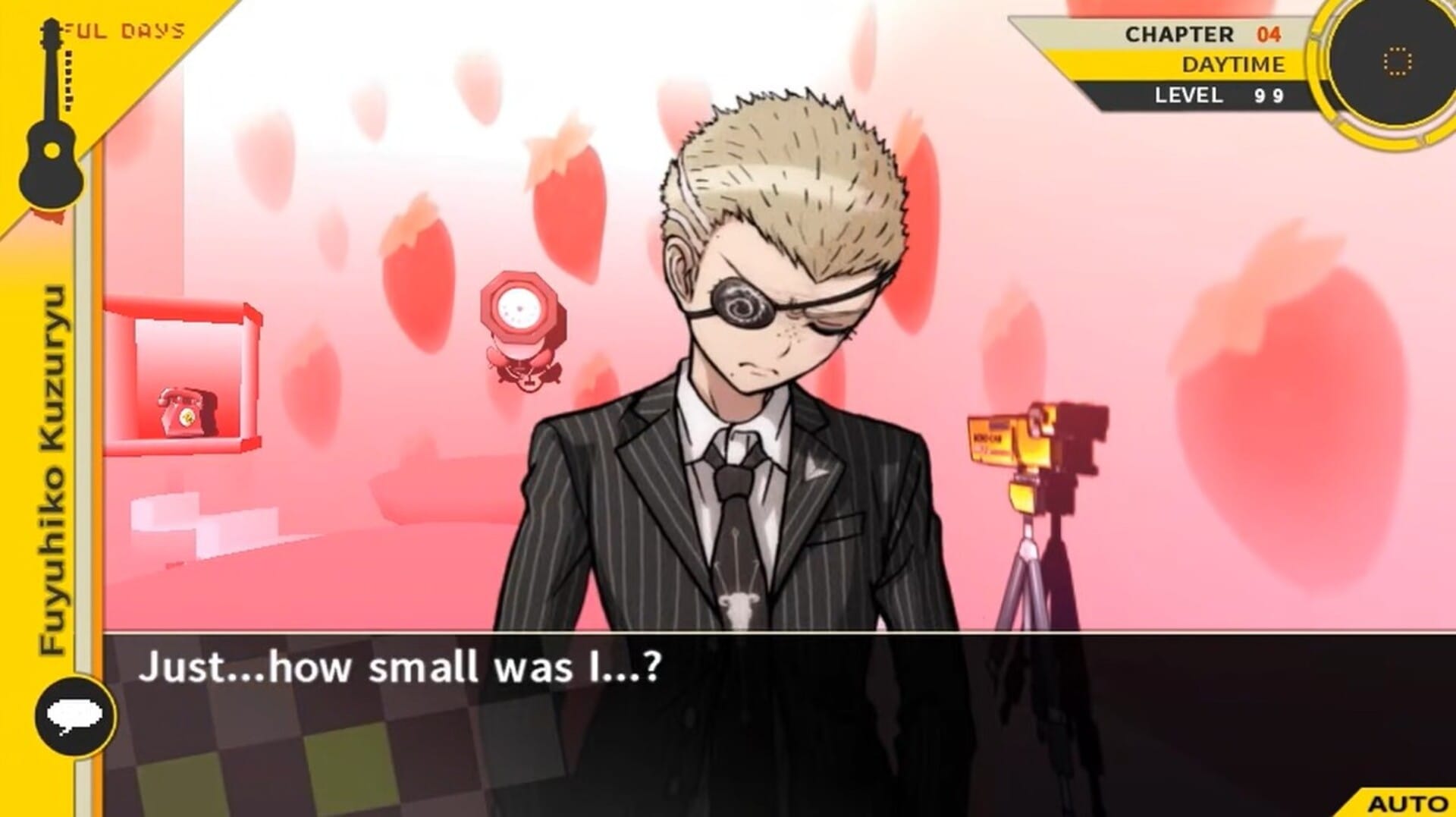
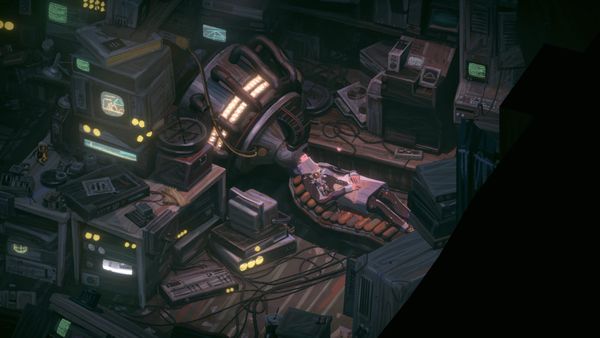
You remember a time when things didn’t quite go the way they do now. There’s no shortage of grief in your heart when you realize you keep having to look back further for it.
You, a former lawyer turned detective, and your brother figure, the captain of a minor local family, have been at odds with each other from second one. You two see the same man as your father: a kindly patriarch who’s taken both of you wretches off the streets of Shinjuku into a life you can take pride in.
Your brother makes a grand show of defending you from some street thugs, all the while making it clear this is for the honor of the family name, not for your sake. He openly makes fun of your failed lawyer career—the one your father bankrolled instead of having you swear in—and refuses to let you know how they’re all doing at the office. You later have to help bail him out of going to prison over a murder charge, and just like his fake show of nicety, it’s no more than a favor to the family. You neither receive nor demand any gratitude.
It’s true that he didn’t kill anyone, though the fact seems to have a hidden this time attached to it. You look into it. He’s not happy. He tries to shut you up when you find a lead, and despite you two being 35 and 52 respectively, you tell on him to Dad. Nothing comes of it except full-blown attempted murder when your brother hears of it. He retraces every step the prosecution tried to claim he took when he “killed” that other man, but, having always been the one who takes the back seat and lets others do the dirty work, just has his underlings beat you up in the end.
For a while this is the last exchange you two have in person; you get caught up in other developments of this case, and he runs away after his rivals kill someone they thought was him. You end up chasing after him for the answers you’ve been failing to obtain—it takes a bit of unrestrained violence, but in the end he does confess to having had a business partnership with a contract killer for some 20 years now.
This is also when it becomes clear that his bluster, power plays, and overblown importance placed on money aren’t what you thought they were. You learn from him, tied to a chair in some club back room—nose likely broken by your fist, looking at you and his rival with a cold stare, and at your father with giant neglected eyes—that he’s effectively forced himself into a heel role because nobody else in this damn family had the backbone to. Like Moma Kumakura’s idealistic “clean gang” pursuits, and despite his dreams of greatness, Dad wasn’t made for the yakuza life. Your brother was. Who do you think paid for your law school?
The contract killer betrays him. Your father takes the bullet, a show of love for his eldest that’s really more about keeping a key witness to your case alive. Your brother runs away again but not before giving up the last piece of the puzzle. When next and last you see him, the usual arrogance he speaks with can’t quite hide his borderline suicidality. He steps off of his pedestal for the first time as he offers to turn himself in and let your story see some closure. It’s not for you. It’s for the family.
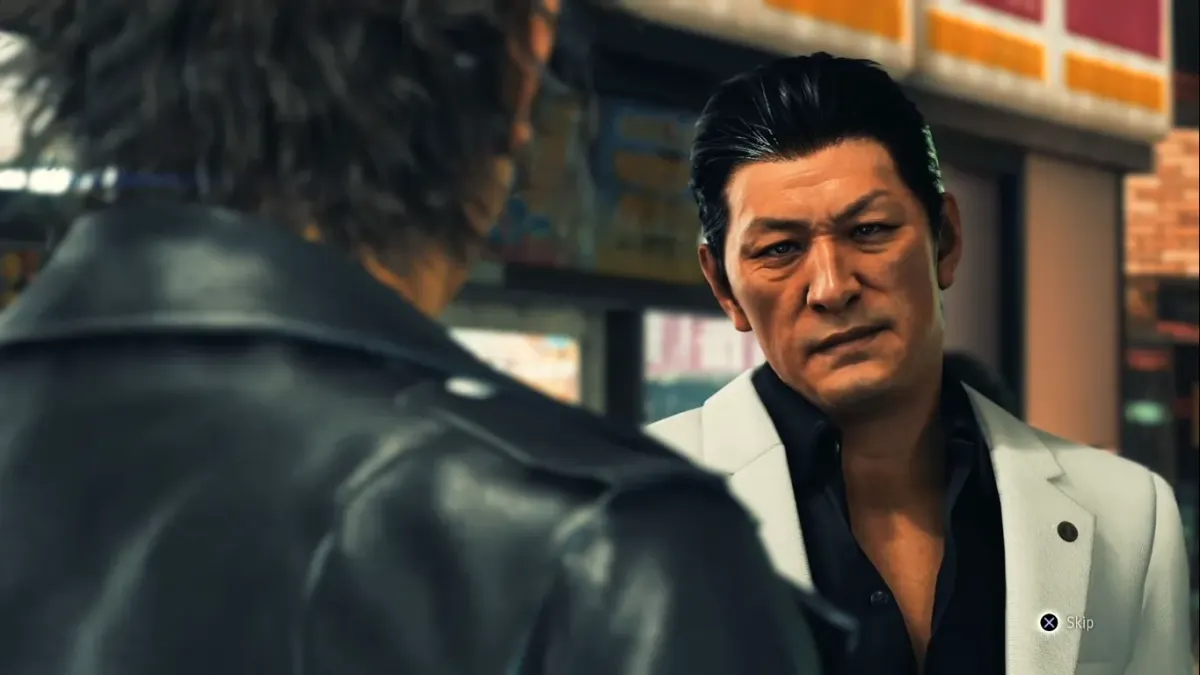
You are Takayuki Yagami, private eye and close associate of the Matsugane Family, a yakuza group whose patriarch is a figurehead but whose captain Kyohei Hamura isn’t, after all, looking to keep the glory to himself. You two, as part of Judgment, come in last in the journalist’s journey, and, true to the conspiracy you’re both caught up on, it’s your presence in her life that makes everything finally start to click.
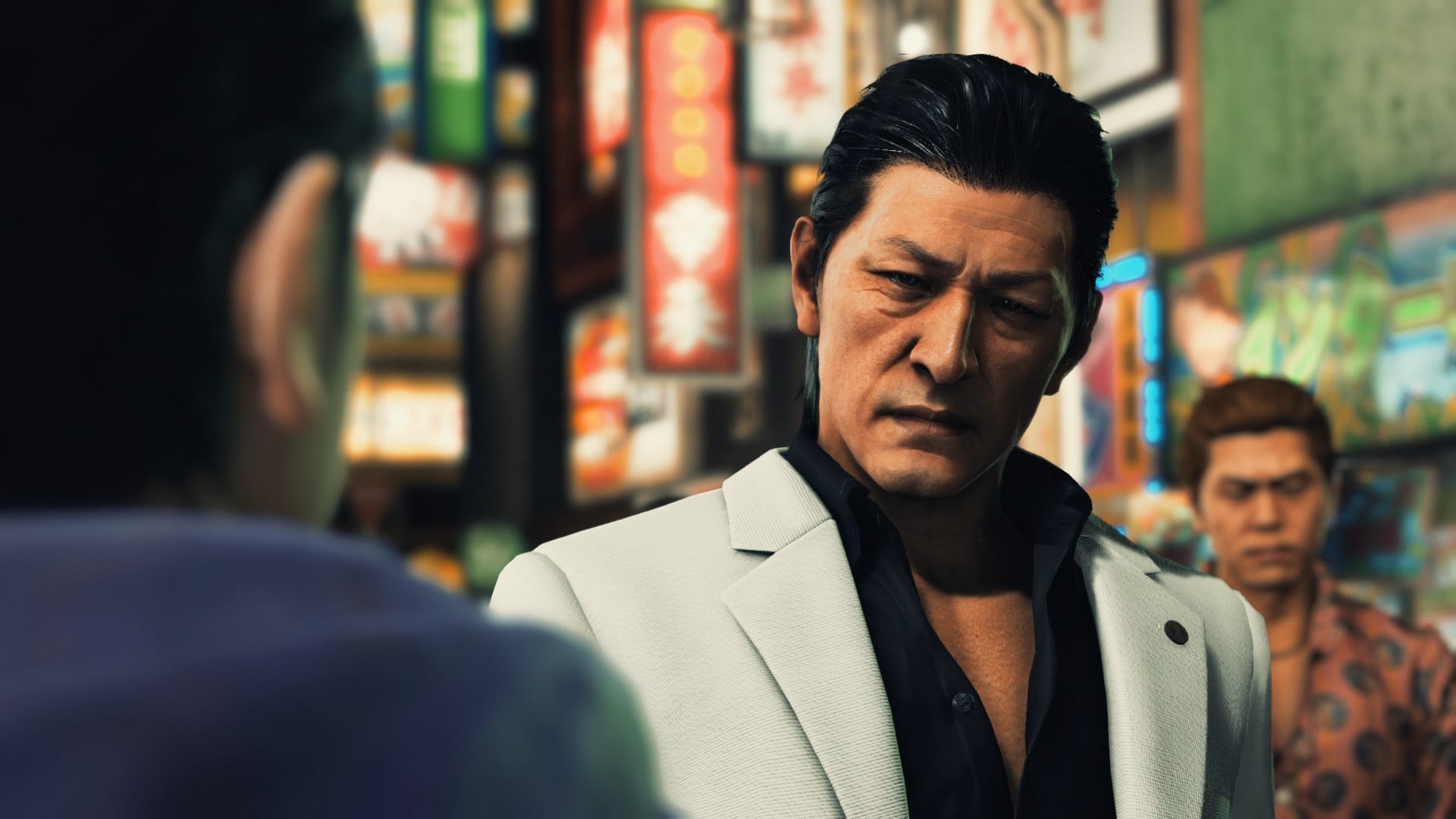
You remember a time when things didn’t quite go the way they do now. There’s no shortage of grief in your heart when you realize you keep having to look back further for it.
You’re the journalist, a girl-thing early into your twenties. You love yakuza stories (and all sorts of crime stories) for the inherent tragedy of the genre, all brought about by the insincere peacocking of all characters involved in its complex dances. You especially take to the sibling dynamics within and how they’re warped by power. As of late, it’s making you think of your brother.
He’s three years and some change younger than you; same generation, but intensely different worldviews. Despite being 23 and 20 respectively, you still share a roof, because your parents are merciful enough to spare you both the cruelty of the housing market. Further, despite outside help, you often find yourself having to pick up after him, usually concerning his dishes (always full of grains of rice, which your autistic brain just loves touching). At least you’ve yelled at him enough times about the dirty suds he used to leave after using the sink that he’s either stopped overusing soap or started covering his tracks better.
The bastard has a stable job before you do; no amount of lighthearted ribbing will hide your bubbling, ugly resentment of it. He’s an economics major; you despise him even further for it. Once he lets slip during a conversation that he refused to back the opposition candidate against your deplorable current mayor and annulled his vote; you end up telling him to go fuck himself, and even your politically active parents won’t have your back on this one.
He’s an impenetrable wall of lazily grinning condescension, and you’re a bleeding heart stupid enough to wish for a better world. He greets the dog before he greets you, and you can’t resent that because you know damn well you’d do the same. You think he’s spoiled and he thinks you’re annoying. You used to openly weep at your therapist for not being a better big sister, but every time you two talk it reminds you of why you don’t seek out those exchanges.
Yet still you cherish the times he’s taken your side. You remember when he lied in your stead—a skill that’s always so natural to him, no matter how blatant—to make you sound more noble to Mom than you actually were. You remember when he made a note of your chosen name, the one your parents refuse to call you by, and briefly mused on doing that if it meant you’d come over and help him with something. You love making fun of Dad with him, the only other person who understands the man’s glaring flaws. He may have told you to drop the issue when you defended him once, but you still felt a sense of pride for having taken the chance to do it. More importantly, you’ve noticed he loves Mom just as deeply as you do, despite all his bothersome posturing about being this unfeeling jerk.
Of course, you two haven’t ever been part of a crime drama scenario. It doesn’t make you stop seeing your weird bond and clashing views in Moma and Rohan, or your mutual protective instinct in Fuyuhiko and Natsumi, or your willingness to drop all grievances for your parents in Yagami and Hamura. He likes the genre too; one of his favorites is Peaky Blinders. You adore every time you hear a lick of your beloved Arctic Monkeys in the soundtrack. You wonder if any essay like this rattles around in his brain. You’ve never read his writing, if it exists, and you’re pretty sure he’s never read yours. You write in English too much, which is why nothing came out of him finding your Twitter page years ago.
You are Hiero de Lima, and you can’t say you hate your brother but “love” is equally as heavy a word. You hope for a middle ground. You also hope for him to grow out of all the insincerity. It’s likely that both of you think I wouldn’t act the way I do about you if you weren’t like this. Maybe what you two need is to exchange sake cups, put on some Tarantino film neither of you have gotten to yet, and enjoy the one non-familial use of your time you can confidently say you’re both into. You should invite him sometime. He’ll go “yeah, whatever. Maybe later” and you may need to drag him into it, but it’ll be fun.
Artemis here. Stop Caring is reader supported and 100% free. Please consider subscribing or making a one-time donation to make more of this possible. All donations go directly to the author of the piece.