Like a Hero(ine)
How the Yakuza series uses the Hero's Journey and its shadowed feminine counterpart.

The Hero’s Way
When discussing stories of any kind, it’s impossible to avoid the Hero’s Journey. It’s the structure that writer Joseph Campbell claims in his 1949 book The Hero with a Thousand Faces to be the basis for every myth, and thus “Mankind’s one great story” (The Hero with a Thousand Faces xi). Although initially written with the intent of being life advice, using, among other topics, Freudian psychology for evidence, it captured the interest of many storytellers, including George Lucas of Star Wars fame. It also motivated Hollywood screenwriter Christopher Vogler to publish The Writer’s Journey (1992), a prominent textbook on how to utilize the structure for creative writing. Such works further popularized the Hero’s Journey to the point where if it wasn’t “Mankind’s one great story” before, it has no doubt grown to seem that way.
It’s certainly warranted to question the supposed universality of the Hero’s Journey. Even those who don’t criticize the Journey tend to unwittingly prove its limitations. In The Writer’s Journey, Vogler describes the Hero’s Journey as “every story ever told” (4), then proceeds to spend over 400 pages exploring all the ways stories can, should, and do deviate from the structure. Still, partly due to how generalizing it can be and partly due to its popularity, elements of the structure still pop up everywhere, including the Yakuza (Like a Dragon) series. Not only do early Yakuza titles follow the Hero’s Journey structure just enough to draw comparisons, they also incorporate its associated archetypes, tropes, and values.
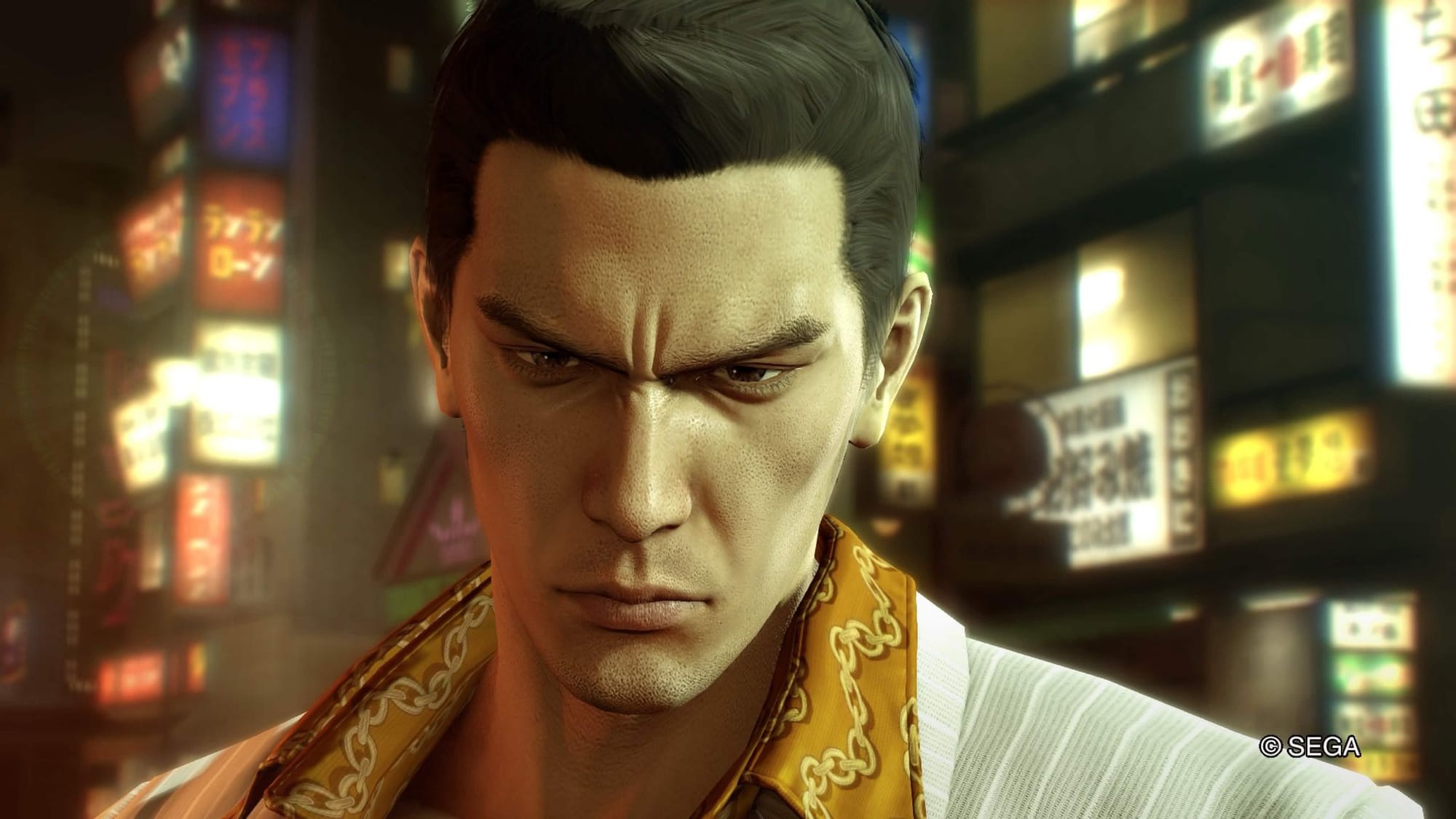
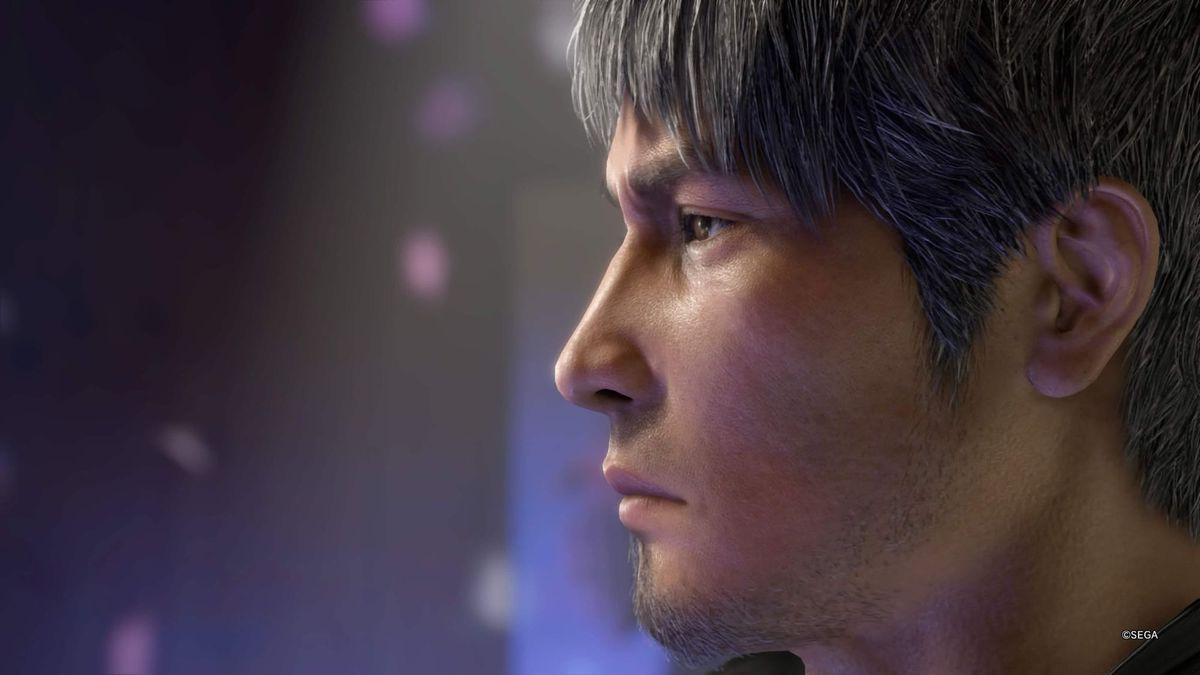
Flagship protagonist Kazuma Kiryu is a poster boy for the Hero’s Journey, one who embodies traits conventionally interpreted as “masculine”—including incredible physical strength, completing tasks in isolation, consistent utilization of violence, leadership qualities (even when not leading anyone or anything), being active rather than passive, assuming the role of the “rescuer” rather than the “rescued,” and repeated acts of self-sacrifice. When protagonists are developed with these traits in mind, stories revolving around "masculine" deeds will naturally follow. It’s why conflicts in the Yakuza series are resolved with fists first and foremost.
But for all the ways the Yakuza series displays elements of the Hero’s Journey, it also challenges them. Some of the games’ most beloved moments stem from the men being open with each other about their nuanced emotions, with some, including Kiryu, going so far as to master the essence of ugly crying. Kiryu also displays great empathy towards others, regardless of their circumstances. He even takes on a motherly role in the orphanage he founded. This throughline culminates in Yakuza: Like a Dragon (2020), which departs from the Hero’s Journey to take its new protagonist, Ichiban Kasuga, on the structure’s overshadowed counterpart: the Heroine’s Journey.
The Hero(ine) of Yokohama
The Heroine’s Journey was first popularized by Maureen Murdock’s The Heroine’s Journey: Woman’s Quest for Wholeness (1990), but it’s less about narrative structures and more a response to the life advice aspect of The Hero with a Thousand Faces, focusing instead on psychotherapy for a lived feminine experience. Since then, the Heroine’s Journey as it pertains to storytelling has been written about in books such as Gail Carriger’s The Heroine’s Journey: For Writers, Readers, and Fans of Pop Culture (2020) and Maria Tatar’s The Heroine with 1,001 Faces (2021).
In addition to differences in structure, the key idea that separates the Heroine’s Journey from the Hero’s is what traits are considered leadership traits, and thus protagonist-worthy. In the Heroine’s Journey, attributes that are generally categorized as “feminine” are the ones treated as leadership traits. Delegation and teamwork, instead of shouldering all burdens alone, is especially powerful. As a result, giving and especially receiving help or “needing rescuing” isn’t considered a negative; if someone in the character’s network is able to provide the necessary help, it means the character has effectively built a balanced group that can cover each other’s shortcomings.
As previously discussed, classic Yakuza titles already implement some “feminine” traits in their main characters. This helps them feel well-rounded in spite of being in a story structure that prioritizes hyper-masculinity. For instance, Kiryu may stubbornly insist on working alone, but will delegate for others’ sake, such as convincing his beloved rival Goro Majima to help budding chairman Daigo Dojima in Yakuza 3.
Yakuza: Like a Dragon takes matters to the next level, right from the beginning, giving Ichiban origins that emphasize community, whereas Kiryu’s origins in Yakuza 0 (2015) emphasize isolation. At the start of Yakuza 0, Kiryu is excessively violent. He beats a man unconscious to collect a debt, and even pummels two random drunk men in an alleyway so he and Akira Nishikiyama, his only friend, don’t have to walk around them to reach the bar they’re heading to. When he stops some thugs in the middle of a shakedown, it’s not to help the boy they’re harassing but to set them straight about making trouble on his family’s turf.
Nishiki has a similar self-centered mindset. On the way to the bar, he explains to Kiryu that “[b]uilding connections with girls is important” not because having a network of allies can be fulfilling in and of itself, but because “if you show up with a pack of girls every time the bosses invite you drinking, they remember you. If you’re in this business, you’ve gotta claw your way up that ladder using any means possible.” People are only valuable if you can use them, not when they can help each other with their own strengths or for simply being themselves.
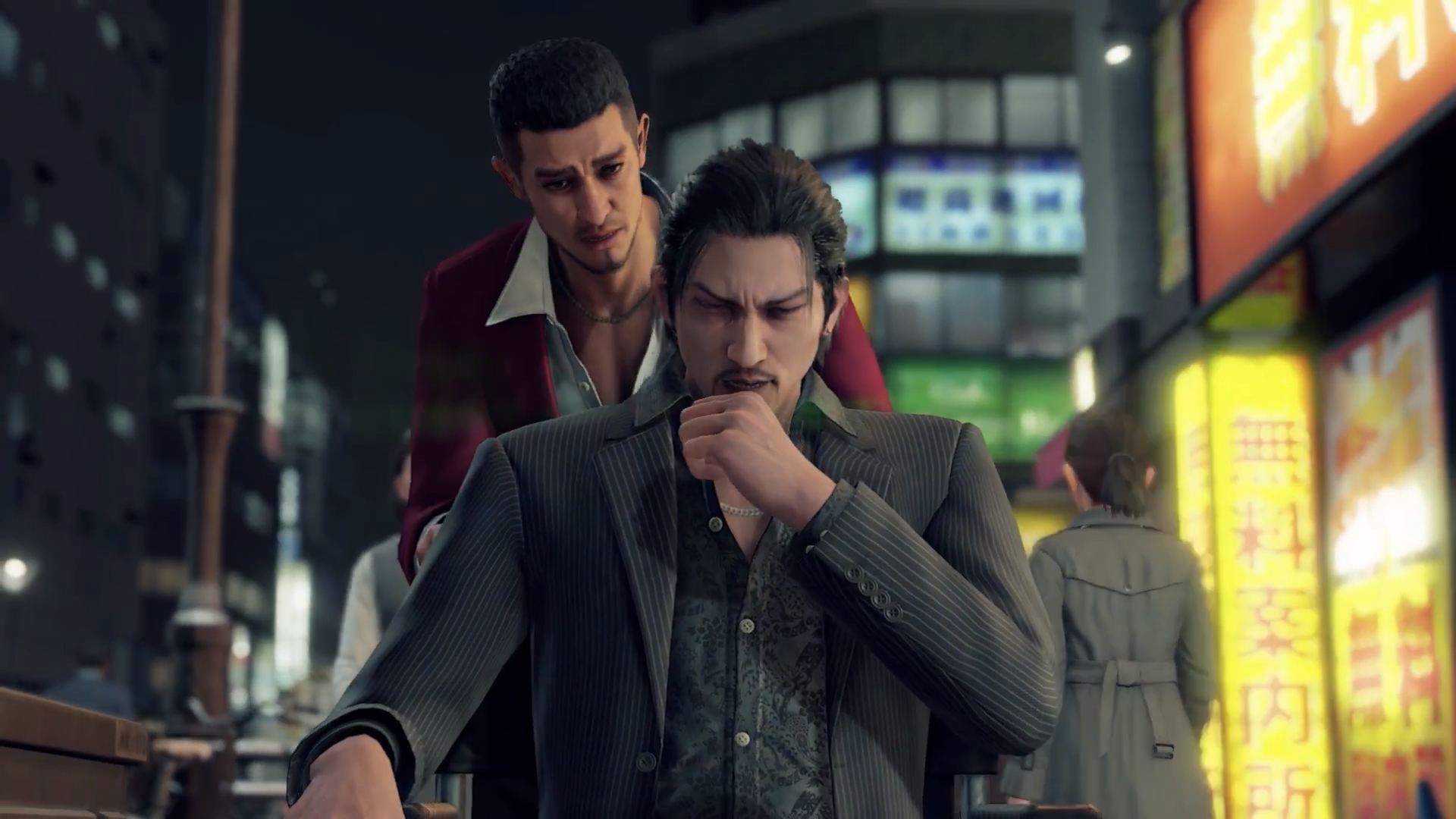
But this isn’t the case for Ichiban. Yakuza: Like a Dragon also starts with its protagonist on collections duty, but while he has to get rough with his targets, he doesn’t leave them knocked out cold the way Kiryu does. During his rounds, he also takes the time to help the people of Kamurocho with their mundane problems because, according to him, that’s what a “hero” does. He even helps without being asked, as he returns money to teens who were scammed by a con artist. Ichiban is, from the start, surrounded by an extended circle of allies. In “hero fashion,” he does most of the helping, but doesn’t see any issue with only receiving gratitude in return.
Ichiban also takes on roles generally thought of as feminine. He is the caretaker of Masato Arakawa, a wheelchair user and the son of his family's patriarch Masumi Arakawa. Despite how necessary caretakers are, the job is treated negatively by the people around him. An attendant at the local hostess club asks, when seeing Masato walking, if it means Ichiban will “be released from indentured servitude.” Ichiban is a heroine in a hero’s world, one that undervalues caretaking roles due to the lack of “conquest” associated with them. Helpers generally don’t “get anything out of it.” It isn’t possible to “claw your way up that ladder” if your hands are occupied pushing a wheelchair.
Ichiban, however, doesn’t agree. “Dumbass!” he says to the attendant. “I’m not some kinda slave. This is an important job.” When Masumi later tells Ichiban, “I’m sorry to burden you with Masato’s care[,]” Ichiban firmly replies, “I don’t think of it like that!” This is in line with Ichiban rushing to help others even when there’s no benefit to him, because caring for others is its own form of strength. But while he voluntarily assists those around him, his Journey really kicks off with an involuntary “Call to Adventure.”
Carriger notes that one difference between the Hero and Heroine’s Journeys is how the protagonist responds to the story’s inciting incident. The Hero begins his journey voluntarily (Carriger 33), even if they “Refuse the Call” at first (which is, according to Campbell, a necessary component of the Hero’s Journey). The Heroine’s Journey’s inciting incident, on the other hand, “is an act imposed upon our heroine involuntarily” (Carriger 92). Such an idea is usually dismissed as “bad writing;” in storytelling, it’s treated as a necessity for characters to be doing something (being active) and a taboo for something to “happen to them” (being passive). However, Carriger argues “that being driven into action by outside elements is not the same as being passive or reactive” (118) and even if it were, it wouldn’t be an innately negative quality by Heroine’s Journey standards. That being said, the Heroine is much less likely to Refuse the Call because, as Carriger explains, the Heroine’s Journey often begins in response to the heroine’s family or similar network being taken from her or otherwise jeopardized. And, since said network is so important to her, she won’t just sit by and allow it to happen (Carriger 118).
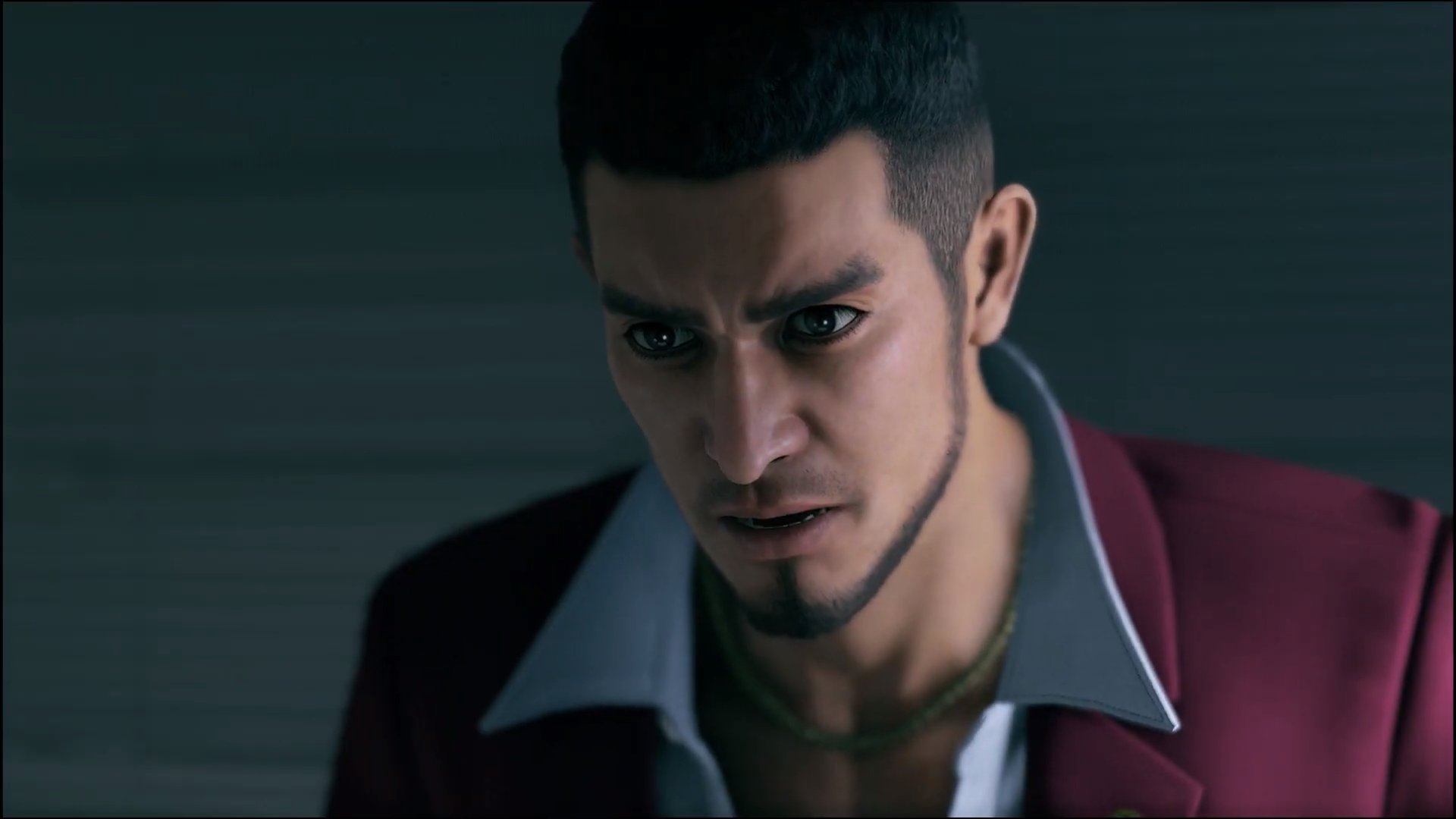
This can once again be seen by comparing Yakuza 0 and Yakuza: Like a Dragon. In Yakuza 0, Kiryu Refuses the Call on three separate occasions: first, Dojima Family Lieutenant Daisaku Kuze tells Kiryu to turn himself in to be arrested for a crime he didn’t commit. When Kiryu refuses, Kuze offers him safety in exchange for spying on his father figure Shintaro Kazama. Kiryu refuses yet again, and instead answers his own Call by voluntarily offering to leave the yakuza. He then Refuses the Call to assist the president of Tachibana Real Estate, Tetsu Tachibana, until he’s done more research on him and his group, after which he voluntarily joins his cause. The game’s second protagonist, Goro Majima, undergoes a similar experience: his supervisor Tsukasa Sagawa directs him to assassinate a “dangerous criminal” named Makoto Makimura in exchange for reinstatement into the yakuza. Majima already has doubts about killing, but then Refuses the Call entirely when he discovers Makoto isn’t a criminal but an innocent blind woman. He instead voluntarily answers the Call from her ally Wen Hai Lee to help protect her.
In Yakuza: Like a Dragon, Arakawa tells Ichiban that the family captain, Jo Sawashiro, murdered a high-ranking member of another group. If he were to be discovered, it would be the end of the Arakawas. He puts his hands on his knees and bows deeply. “Would you take [Sawashiro’s] place in this, Ichi?” Ichiban does not Refuse the Call. Instead, he unflinchingly accepts it. “What are you even saying, Boss? I’m the one who should be bowing. I’ve been waiting for a shot like this. … Let ‘em lock me up for ten, twenty years! I’ll do it with pleasure!” This starts Ichiban down his Journey, one that highlights the importance of camaraderie and helping and being helped by others.
The Heroine’s Web
Elements of the Heroine’s Journey can also be gleaned in Yakuza: Like a Dragon’s battle system. The series hasn’t gone full pacifist mode; there’s still plenty of exaggerated violence, sometimes comically slapstick and other times grim and serious. But unlike the previous Yakuza titles, which are all real-time brawlers, Yakuza: Like a Dragon is a turn-based RPG. Where previous games had players rushing into yakuza-infested buildings as a one-man army, Yakuza: Like a Dragon allows players to control multiple characters at once, a display of delegation and support that is so important to the Heroine’s Journey.
As the story continues, Ichiban gathers five other allies (plus an optional sixth) to form his party, and players can control up to four of them at once during battle. Although every character can change their “job” (equivalent to RPG classes), each one has natural affinities and shortcomings. At the beginning of the game, Arakawa reinforces the importance of a well-balanced community of allies. In response to Ichiban’s complaints about Sawashiro, Arakawa explains that “it’s okay to see things differently [from each other]. That’s the strength of the Arakawa Party. … Everyone has a specialty that they bring to the table.” Collaboration as a narrative strength translates into traditional RPG gameplay. There’s still an emphasis on battles over talking it through (as Ichiban eloquently puts it, “In this party, we always choose ‘Fight’!”), but turn-based RPGs with multiple party members represent the Heroine’s Journey in gameplay form, reinforcing the value of teamwork over seclusion.
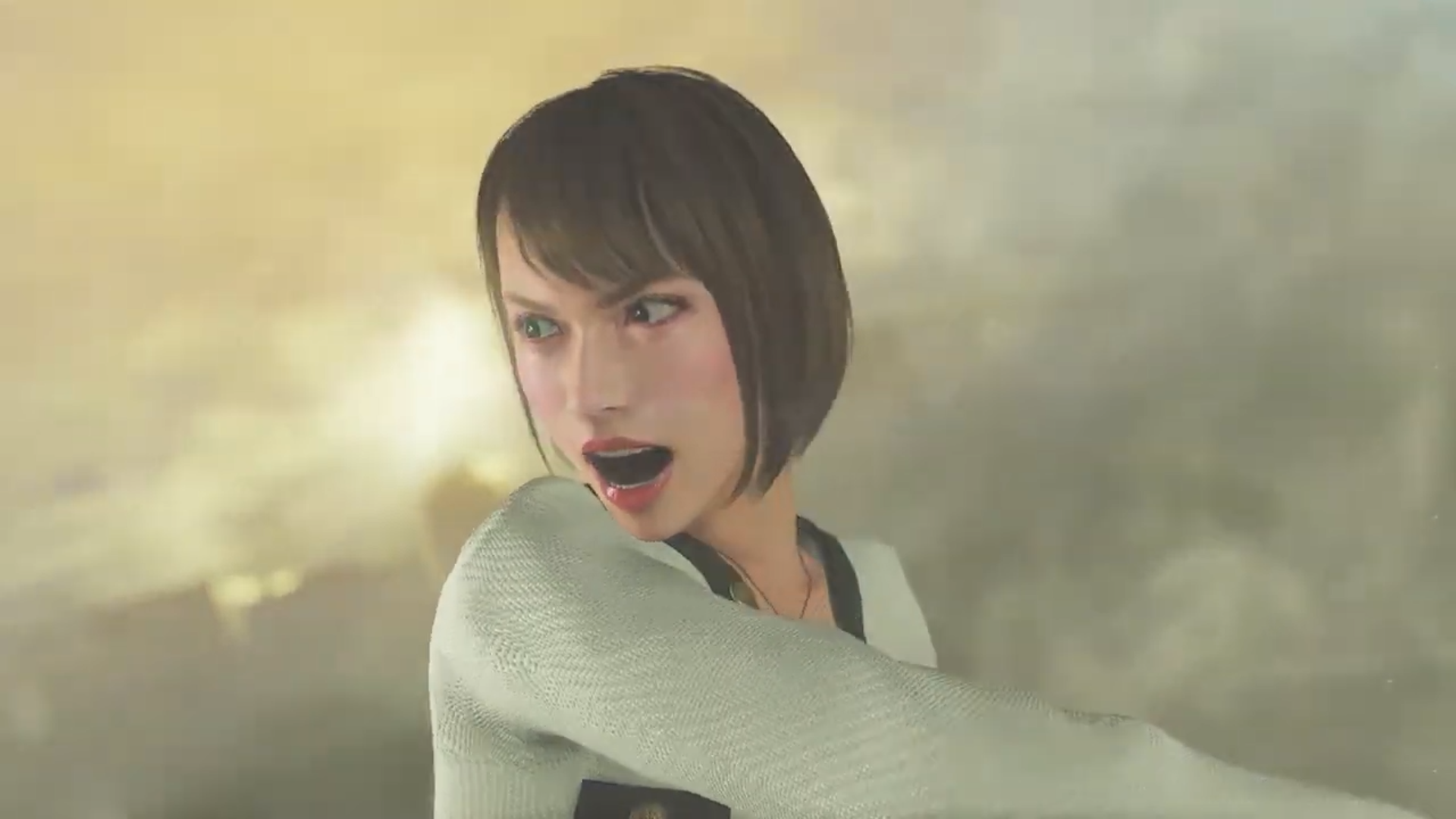
Within Ichiban’s team are people from all different walks of life, including two women, Saeko Mukoda and Eri Kamataki. Having the Yakuza series grounded in reality has made it difficult to incorporate women into its battles; the men are without a doubt so strong it borders on the surreal, but, culturally, it’s in poor taste for women to be involved in such levels of pseudo-realistic violence. Because the structure of power in the series is founded on said violence—the (physically) strongest make it to the top—women are rarely seen in leadership roles. When they are, they don’t engage in combat themselves. Delegating is a strength in the Heroine’s Journey, but it looks more like cowardice in the Hero’s Journey, especially since the Hero is almost always fighting alone, or, on very rare occasions, with one other temporary ally. As a turn-based RPG, however, the ladies get a reasonable opportunity to fight alongside the fellas.
A Hero(ine)’s Worth
Yakuza: Like a Dragon also places its male cast members in situations that help to lessen the “feminine” and, frankly, negative associations they may have. When investigating a murder, Ichiban, Saeko, and two additional (male) allies are captured and held hostage by the Yokohama Liumang second-in-command, Akira Mabuchi. It’s only thanks to the assistance of soon-to-be ally Joongi Han that they can escape without being tortured and killed. While this is no doubt a narrative low point, it exists to create tension rather than to portray anyone as “weak” or “lesser” for needing to be rescued.
By comparison, one of the most important characters in Yakuza 0 is Makoto Makimura. She is the legal owner of the Empty Lot, the centerpiece underlying protagonists Kiryu and Majima's stories. This unassuming plot of land is all that's stopping the Kamurocho Revitalization Project from proceeding. As such, different factions of the Tojo Clan have been scheming to procure it and reap the rewards of wealth and power that selling the land will provide. It seems like Makoto should play a crucial role in this narrative, but she is ultimately a passive side character at best (and a plot device at worst) who doesn’t get many opportunities to shine. She doesn't play a role in determining where she and Majima go or what they do. Instead, she’s jostled around from point A to point B by the men around her, and her trauma-induced blindness increases the degree to which she needs to rely on others. There are moments that especially promote the idea that Makoto can’t do much of anything by herself, including stumbling to the ground mere moments after telling Majima that she’s “fine on [her] own[.]”
As the game progresses, Makoto slowly but surely strengthens her resolve and becomes more proactive, but it doesn't conclude in her favor. The ultimate action she takes is to go by herself to the Sebastian Building rooftop to negotiate ownership of the Empty Lot. In exchange for the lot, she demands that Dojima behead his lieutenants, who are responsible for her brother’s murder. She is shot and incapacitated before Majima can come to her aid.
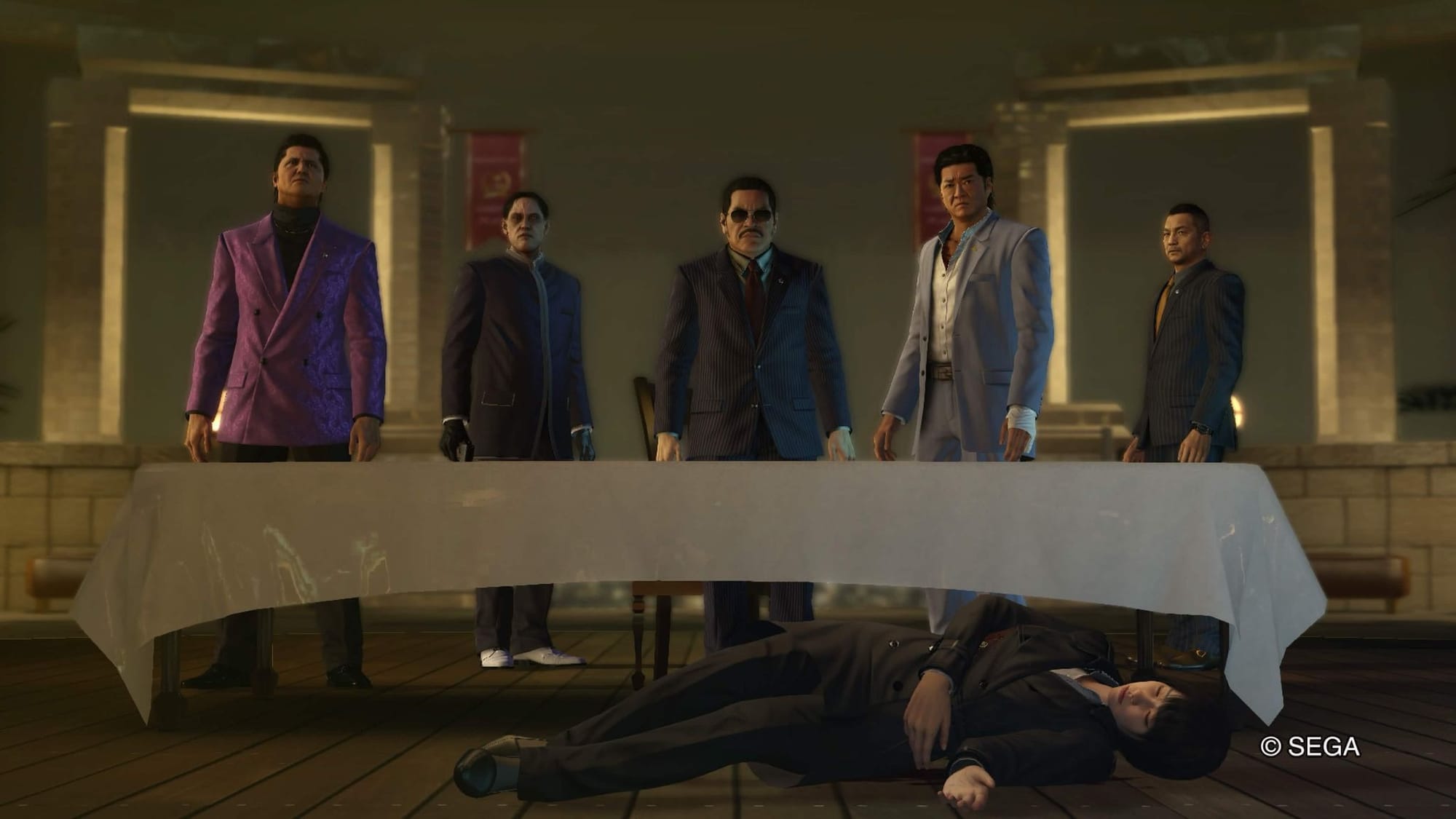
Players often question why Makoto would do something so reckless. She shouldn’t have gone alone to such a dangerous place. And honestly, it’s a fair point. However, she is simply acting like these games’ Heroes. Majima and Kiryu rush headlong into dangerous scenarios without any backup all the time. Things may not always go the way they plan—there may even be temporary setbacks as a result—and they almost always end up more hurt than necessary. But they still make meaningful progress towards their goals each time. Any challenge feels like a natural rising action for the sake of the story, and the men feel more powerful because they choose to handle such situations on their own, even to their own detriment. Their recklessness is part of their charm, their ability to overcome conflict alone part of their power.
But when Makoto finally acts on her own as a Hero would, she is punished for it. The scene could have portrayed how “Hero traits” would be considered rash or foolish for anyone who doesn’t have superhuman strength like Kiryu and Majima. Instead, Makoto’s decision reinforces her inability to do anything on her own, and gets her temporarily removed from the story—or, framed another way, puts her own story on hold in order to advance Majima’s. But when other characters make similar decisions, they’re framed as noble or a showcase of power, and their efforts are taken seriously by the people around them. Even Makoto's brother Tachibana has a similar moment prior to his death. While he and Kiryu are being hunted by the Dojima Family, he visits the Tojo Clan headquarters, on his own, to request that the Dojimas stop pursuing Kiryu in exchange for one billion yen plus 30% of his company's profits. Although Kiryu expresses some concern, as they could just as easily be captured and handed over to Dojima, Tachibana's right-hand man Jun Oda smirks and tells him that "[Tachibana] knows it's a dangerous gamble. But any business deal bears a certain amount of risk." The Tojo acting chairman accepts the deal, and the battles that follow are treated as "a matter of protocol" rather than anything underhanded, allowing Kiryu and Tachibana to escape practically unharmed.
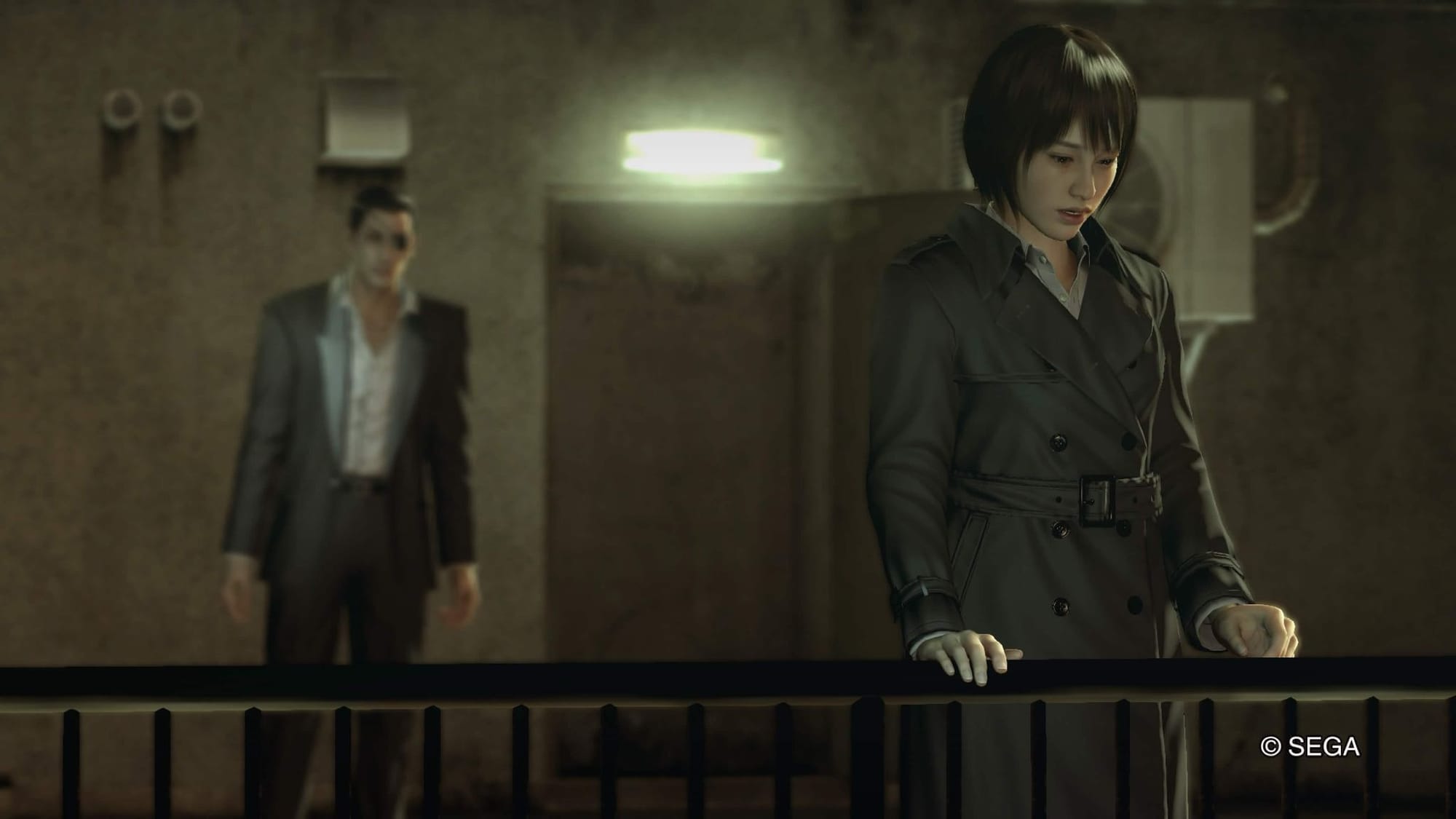
Why is Makoto the only one who is unable to escape such a situation safely? The main problem is that this is all likely an unintentional side effect of the Hero’s Journey story that Makoto finds herself in. One of the ways the Yakuza series subverts the Hero’s Journey is by disavowing vengeance. In Yakuza 0, this is demonstrated when Majima tells a distraught Makoto to not “go down the road to revenge” and refuses her request to kill Dojima and his lieutenants for her. Makoto’s failure at the Sebastian Building should be on account of her seeking revenge, not because she is “weak” or “incapable.” Unfortunately, this messaging gets lost under the audience expectations that are formed by the nature of the story being told. What the scene ends up communicating is that a side character who exhibits many passive, feminine traits is temporarily “fridged” to move Majima’s story along.
Another factor to remember is that in the Hero’s Journey, protagonists start their journeys voluntarily. Characters seem “poorly written” when something happens to them involuntarily, a remnant of the disdain for passivity. Someone like Kiryu voluntarily removes himself from his own story at the start of the first Yakuza game by doing jail time for a crime he didn’t commit. But because it was of his own volition, it’s seen as noble. When Makoto is incapacitated and removed from her own story, however, it’s involuntary; she doesn’t even get the terms she bargained for.
Makoto’s last stand against Dojima could have been a powerful moment if it wasn’t for the fact that the Hero’s Journey elements of Yakuza 0 work against her, slowly conditioning the player to think of her as incapable for needing Majima’s help at all times. Breaking such conditioning becomes easier the more kinds of traits the story elevates. Unfortunately, unless using the Hero’s Journey in its most generalized fashion, it doesn’t easily allow for a wider variety of traits to be seen as “heroic.” This isn’t only because of preconceived societal notions, but because the Hero’s Journey, for as flexible as some writers would like to treat it, is classically meant to showcase a rigid structure and world, one that doesn’t lend itself well to dismantling.
The End of the Yakuza Hero’s Journey
Another key factor differentiating the Hero and Heroine’s Journeys is the ability to enact meaningful change on the world. According to Campbell, the Hero must make a Return to his Ordinary World, the place from which his story began, otherwise “[y]ou don’t have a complete adventure” (On the Hero’s Journey 100). But what awaits the Hero back in his Ordinary World? Campbell describes it similarly to the conclusion of Plato’s allegory of the cave: “he may meet with such a blank misunderstanding and disregard from those whom he has come to help that his career will collapse” (On the Hero’s Journey 46). It may seem antithetical to the idea of the Hero’s Journey as people tend to interpret it now, that being such a generalized structure that it can allow for any sort of story under its parameters. But the Hero’s Journey is, underneath it all, characterized by isolation, and thus the one who ultimately changes is the Hero, not the world around him. How else could the universal, unchanging archetypes that Campbell considers so crucial to the Hero’s Journey exist if there wasn’t also a sort of universal, unchanging nature to the world in which they come from?
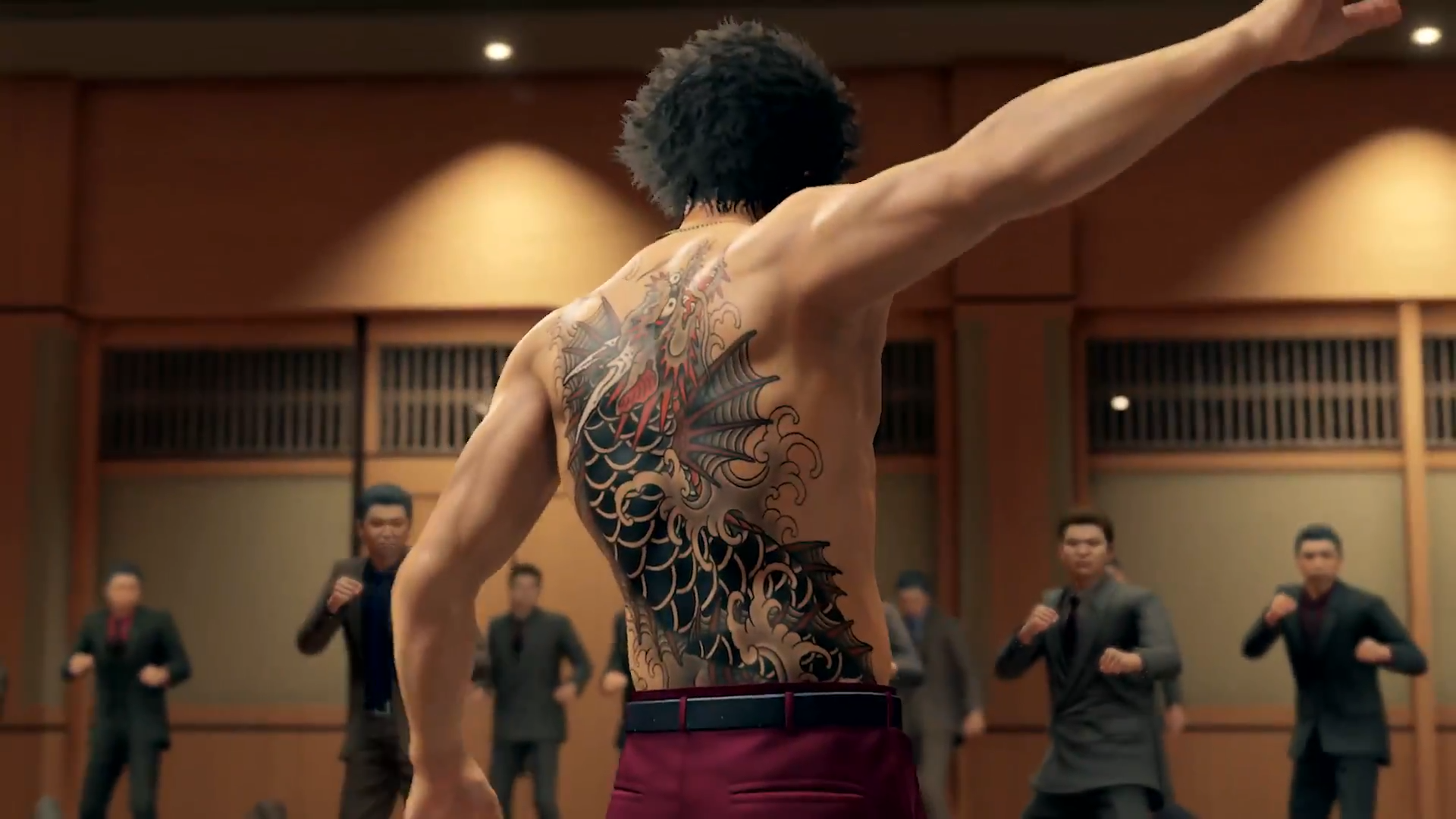
As Campbell argues, “The virtue of heroism must lie…not in the will to reform, but in the courage to affirm, the nature of the universe” (On the Hero’s Journey 49), and that “Nobody has ever made [the world or society] any better. It is never going to be any better. This is it, so take it or leave it. You are not going to correct or improve it” (The Power of Myth 65). What is this supposed nature of the universe that the Hero affirms and cannot change? Campbell claims that the Hero’s Journey “brings in a terrific emphasis on what the tender-minded call violence. But that’s what nature is” (On the Hero’s Journey 35), and it’s not something that the Hero can deny. “[C]an you say yea to [violence equaling nature]?” Campbell asks. “You’ve got to” (On the Hero’s Journey 35).
This isn’t too dissimilar to Kiryu’s experiences in the Yakuza series. Kiryu can influence the Dojima Family enough to keep Kazama in the position of captain, but ultimately Returns to the yakuza, right back where he started. In each game besides Yakuza and Yakuza 0, Kiryu is no longer part of the yakuza but keeps getting sucked back into its world, living one Hero’s Journey after the next. He sacrifices himself over and over. He isolates himself from the people he loves and who love him back thinking he’s protecting them, but ultimately leaves them, and himself, heartbroken. He does prevent multiple organized crime plots from coming to fruition, which naturally affects Japan’s political future. But structurally, Kiryu’s feats maintain the status quo.
The Heroine’s Journey, however, does allow for large-scale change. These kinds of narratives lend themselves to this already: as Tatar describes, One Thousand and One Nights’ protagonist Scheherazade is ultimately able to save not only herself from execution, but convince the king Shahriyar to stop his tyrannical beheadings entirely, and “transform[s] the culture in which she lives” (10). This is seen even in myth: the nature of the world isn’t changed when Heracles completes his labors, but it’s because Demeter goes on a journey to recover her daughter Persephone that the world comes to have seasons. Since the Heroine’s Journey emphasizes community over individualism, it makes sense that both the characters and their society can undergo change.
This pattern continues in Yakuza: Like a Dragon. One of the major events in the game is the disbanding of both the Tojo Clan and Omi Alliance. Tojo Chairman Daigo Dojima, Omi Alliance Captain Masaru Watase, and even Masumi Arakawa execute a plan to dissolve both factions. To ensure they succeed, they need extra assistance. Ichiban and friends, plus a few famous Tojo officers, join the fight to ensure the plan goes through. Not everyone is on board with the idea, of course; change takes time, especially change of this magnitude. But it’s a realistic approach to the slow nature of major change, and shows that it is in fact possible.
Coin Locker Hero(ine)
One of the reasons behind the desire to disband the yakuza factions has to do with the most important non-party character in the game. While Ichiban was in jail, Masato Arakawa faked his death, renamed himself Ryo Aoki, and went abroad to undergo a surgery that would allow him to walk. Upon his return to Japan, Aoki founded the non-profit organization Bleach Japan, then left it behind to pursue politics, becoming Tokyo’s governor. He then enacted anti-yakuza laws that contributed to the desire to dissolve the Tojo and the Omi, while garnering an unshakable popularity with the public. “Tokyo’s governor converts popularity into power easier than any other person in [Japan,]” Aoki’s ex-partner and Bleach Japan Director Hajime Ogasawara explains to Ichiban. “The number of votes you get is a direct representation of your power.”
Aoki uses the strength of connections to gain “absolute power,” building a network of so many people who support him that no one can stop him as he consolidates all the country’s political power into himself. “An election is just a game of strategy[,]” like an RPG, says Aoki. But the way Ichiban and Aoki lead their parties couldn’t be more different. Ichiban cultivates a party of allies who help each other, each with their own “specialty that they bring to the table,” in Arakawa’s words. But Aoki sees his “allies” as tools. He revels in the gratitude the public showers him with when he enacts legislation they want, but only because their votes are useful to him. He’s unlocked the positive feedback loop where he gains more power the more people like him. He helps others when there’s something in it for him, and the people he keeps closest to him have roles to fulfill for his benefit. “At the top,” he says, “you have to know when a friend is no longer useful.” Power for the Hero is still isolating, even if, especially if, they have a network of disposable underlings.
This is displayed in the first of two battles against Aoki at the end of the game. He can summon a seemingly infinite number of bodyguards, intended to be indistinguishable meat shields. “There are two types of people in this world[,]” Aoki explains. “Those who use, and those who get used. In other words, the irreplaceable and the easily replaced.”
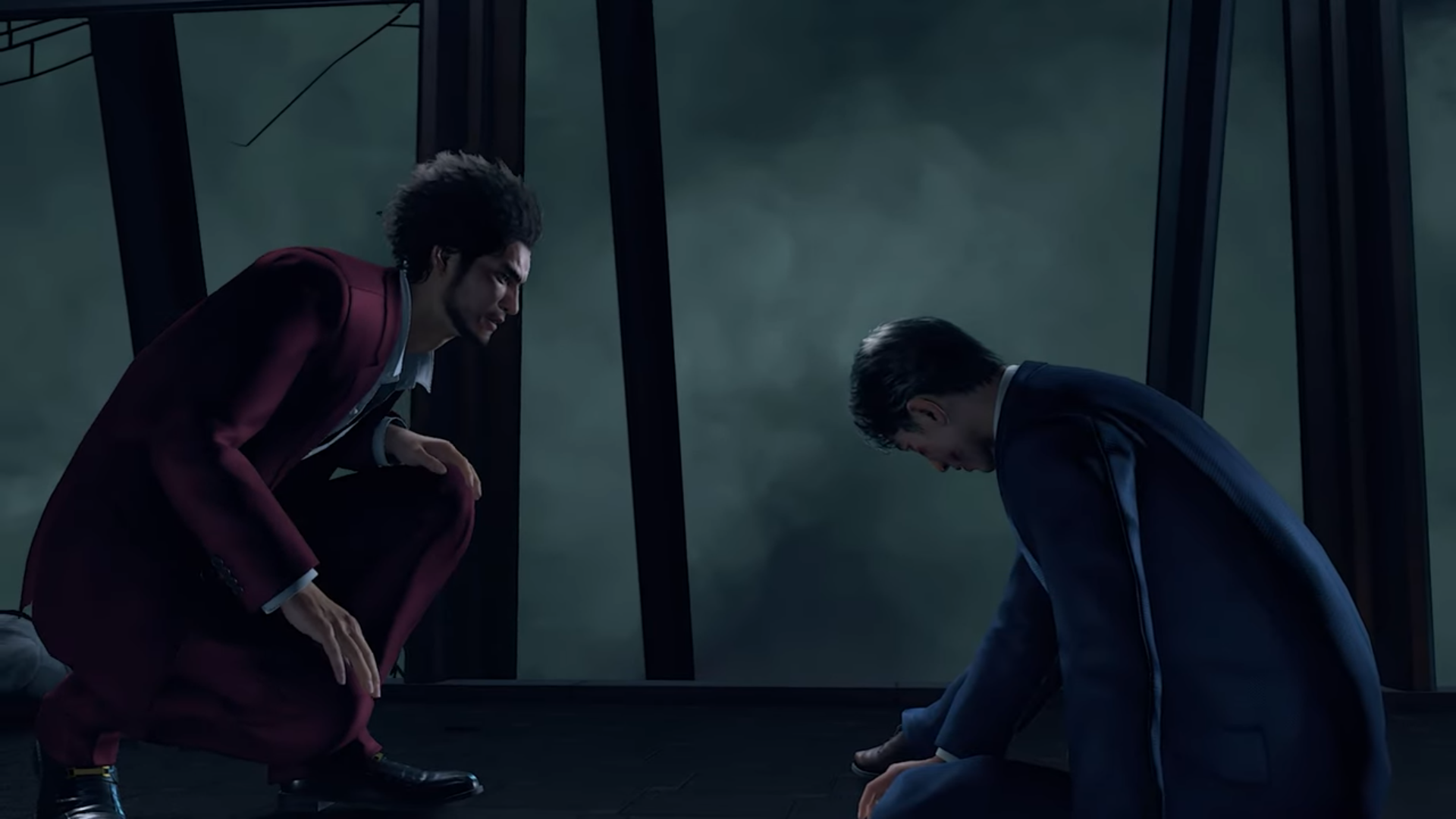
To a Heroine, however, allies are never replaceable. Being a great leader isn’t about monopolizing power but sharing it. “Revenge, glory, recognition,” these “are irrelevant to the heroine’s core identity. What motivates and matters to our heroine is being reunited with what was lost,” according to Carriger (98). For Ichiban, that’s being reunited not with Ryo Aoki, but with Masato Arakawa. Unlike Yakuza 0’s boss fights, which are almost always one-on-one, Ichiban and his allies tackle bosses together in Yakuza: Like a Dragon. But for the game’s final battle, Ichiban stands before Masato, alone, and the Heroine is weakest when she’s alone (Carriger 91). Ichiban might be the highest level he’s ever been, but he reverts to Freelancer, his absolute weakest job. He doesn’t even get to don his Hero class as he trades bare-fisted blows with Masato. Man-to-man combat is usually treated as an epic, major point in the Hero’s Journey: Kiryu versus Daisaku Kuze. Kiryu versus Nishikiyama. Kiryu versus Ryuji Goda. Kiryu versus Yoshitaka Mine. But the boss fight against Masato is as unglamorous as they come, with both participants at their emotionally lowest points. Masato stomps his feet in a child-like tantrum whenever Ichiban dodges one of his strikes, and he's a much weaker opponent than many of the game's previous bosses even when he does land a hit. Ichiban, on the other hand, forgoes all of the elaborate fighting techniques he learned throughout his adventures in hopes of literally beating some sense into Masato in the simplest, most direct way possible, desperate to make Masato see reason before it’s too late.
After their battle, Masato escapes to the streets below, returning to the coin locker where he was discarded as a baby. There, he has a heart-to-heart with Ichiban, and finally begins to open himself up. He agrees to turn himself in, to start over from the bottom and work his way back up with the support of Ichiban. Masato has yet to realize that he isn’t the only person in his network who thinks of others as disposable.
Now, Sota Kume, one of Bleach Japan’s branch leaders, who Masato elevated to a position of great power, walks up out of nowhere and stabs Masato. “How could you do this, Aoki-san? I trusted you…!” Revenge enacted for a perceived betrayal, making space to replace Masato now that he doesn’t serve his purposes, Kume pulls out the blade and walks away. Ichiban gasps. Masato collapses.
Ichiban lifts Masato’s lifeless body in his arms and runs, screaming and crying, the world’s most inelegant Pietà. “The hero of yesterday becomes the tyrant of tomorrow,” says Campbell, “unless he crucifies himself today” (On the Hero’s Journey 85). The Hero must die before he becomes a tyrant. To the Hero, there is no coming back from becoming a tyrant, no clawing back up from rock-bottom. Just as Scheherazade helped reform Shahriyar after his acts of cruelty, Ichiban offers Masato a second chance. Ichiban trusts and forgives others, and believes that anyone can change, no matter where they come from or what they’ve done. But the Hero’s world around them does not agree. If the Hero doesn’t crucify himself, someone else will do it for him.
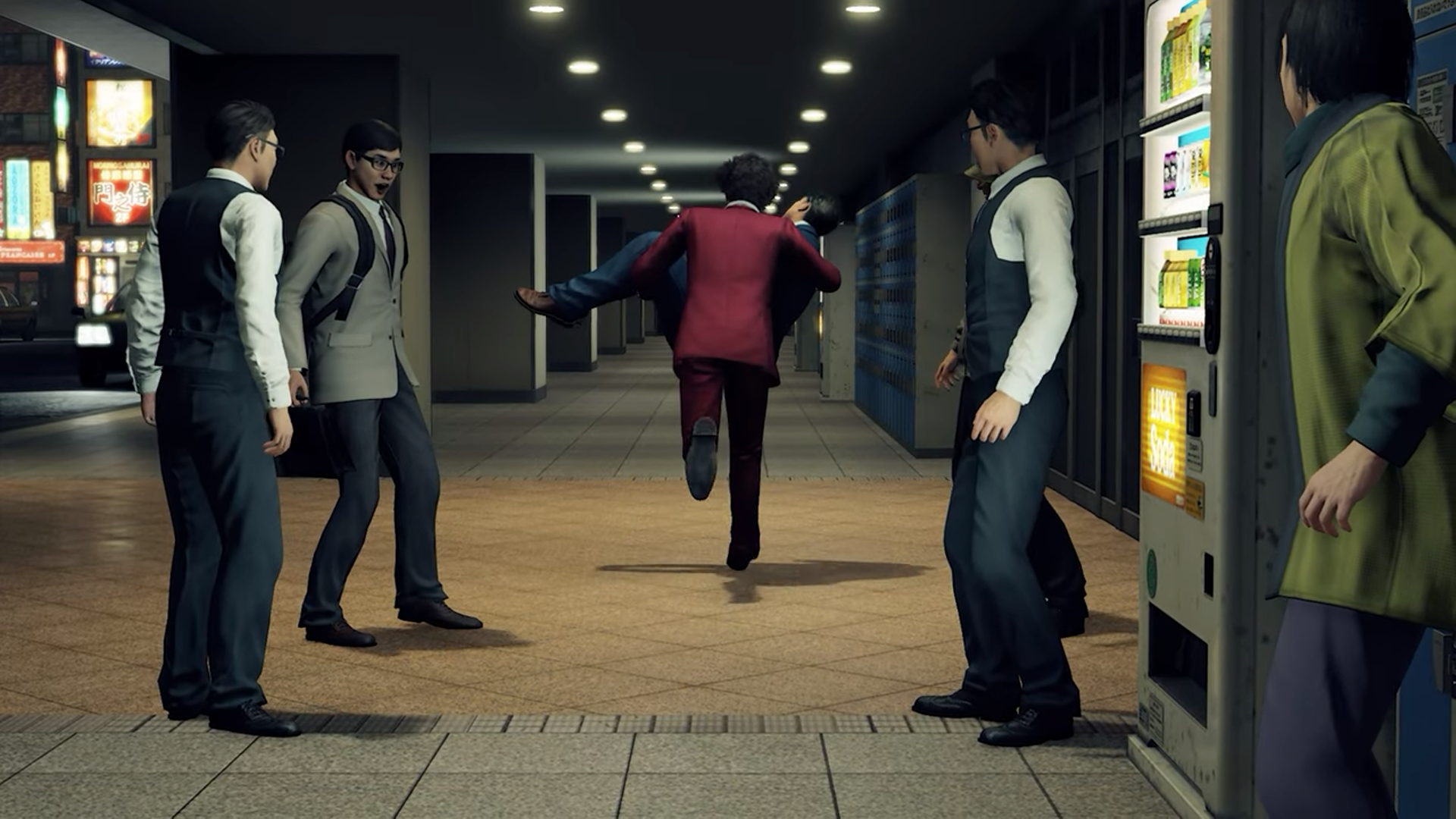
Even in an ever-changing world, death remains unchanging. The Hero must die; it may be metaphorical at first, but eventually it must become literal. He returns to the Ordinary World from where he first came: from nothing, into nothing. From a coin locker into a casket.
Ichiban can’t entirely reunite with his lost family as per Carriger’s examination of the Heroine’s Journey, just as previous Yakuza games don’t align one-to-one with the Hero’s Journey. This is, ultimately, to each games’ benefit. By utilizing different aspects from each Journey, titles like Yakuza: Like a Dragon can accentuate qualities that are generally undervalued, the ones that slip through the net, and craft stories that feel distinctive and challenge preconceived notions about the real world it’s in dialogue with. As Carriger explains, “These are core narrative journeys. They do more than just provide storytellers with story guides. They embed culturewide themes and messages” (137).
Carriger continues: “when the positives of each narrative are applied across all genders, something wonderful can occur, promoting both self-sufficiency and networking for strength in everyone” (138). To really drive this point home, the Yakuza series must kill one more Hero—but not literally. He must dive into the abyss, reach rock-bottom, and claw his way back up through the flames to be reborn as a Heroine.
Hard Headed Hero(ine)
“A good life[,]” says Campbell, “is one hero journey after another” (On the Hero’s Journey 22). However, Kazuma Kiryu doesn’t agree. In Like a Dragon: Infinite Wealth, the sequel to Yakuza: Like a Dragon, Kiryu tells Daigo, “I’ve screwed up more lives than I can count at this point. Not to mention, I’m a yakuza. I haven’t exactly lived a life that I can be proud of.”
While Ichiban and his new party investigate a scheme involving a cult and nuclear waste disposal in Hawaii, Kiryu is investigating yakuza remnants in Yokohama and Tokyo. But Kiryu should be out of commission. His time in the spotlight is up; he figuratively “passed the torch” to Ichiban in the previous game during a chapter literally titled “Passing the Torch.” All the while, he’s battling cancer and losing. But the Hero’s Journey isn’t like boxing. Like Kuze told Kiryu in Yakuza 0, “The man who can’t tough it out to the end, he’s the one who loses.” And Kiryu, stubborn as he is, has grown to agree. “Long as you’re breathing. Keep moving. Keep trying,” he says to his ex-Tojo allies.
In response, Majima shakes his head. “There you go again… Always the hero.” Kiryu’s response confirms his awareness of the Heroic nature of the life he’s lived: “It’s the only way I know.” Then he adds, “Besides, this is the last time.” Kiryu has been excessively willing to die throughout his life, just as a Hero should be. As Campbell says, “the hero would be no hero if death held for him any terror; the first condition is reconciliation with the grave” (On the Hero’s Journey 99). Vogler corroborates this in The Writer’s Journey: “People commonly think of Heroes as strong or brave, but these qualities are secondary to sacrifice — the true mark of a Hero” (34). And now, as Kiryu puts it, “My death’s finally worth a damn.”
The only way Kiryu knows how to live is to sacrifice himself, but none of the people around him are okay with it. Even if death is the unchanging constant at the end of any Journey, Kiryu’s loved ones would rather he not risk what little time he has left getting involved in a dangerous plot that he can freely sit out. He also insists on working alone, placing himself in even more danger in the hopes of protecting the people he loves. There’s no shortage of Kiryu doing “the lone wolf routine,” as Nanba calls it. But in Infinite Wealth, things start to change.
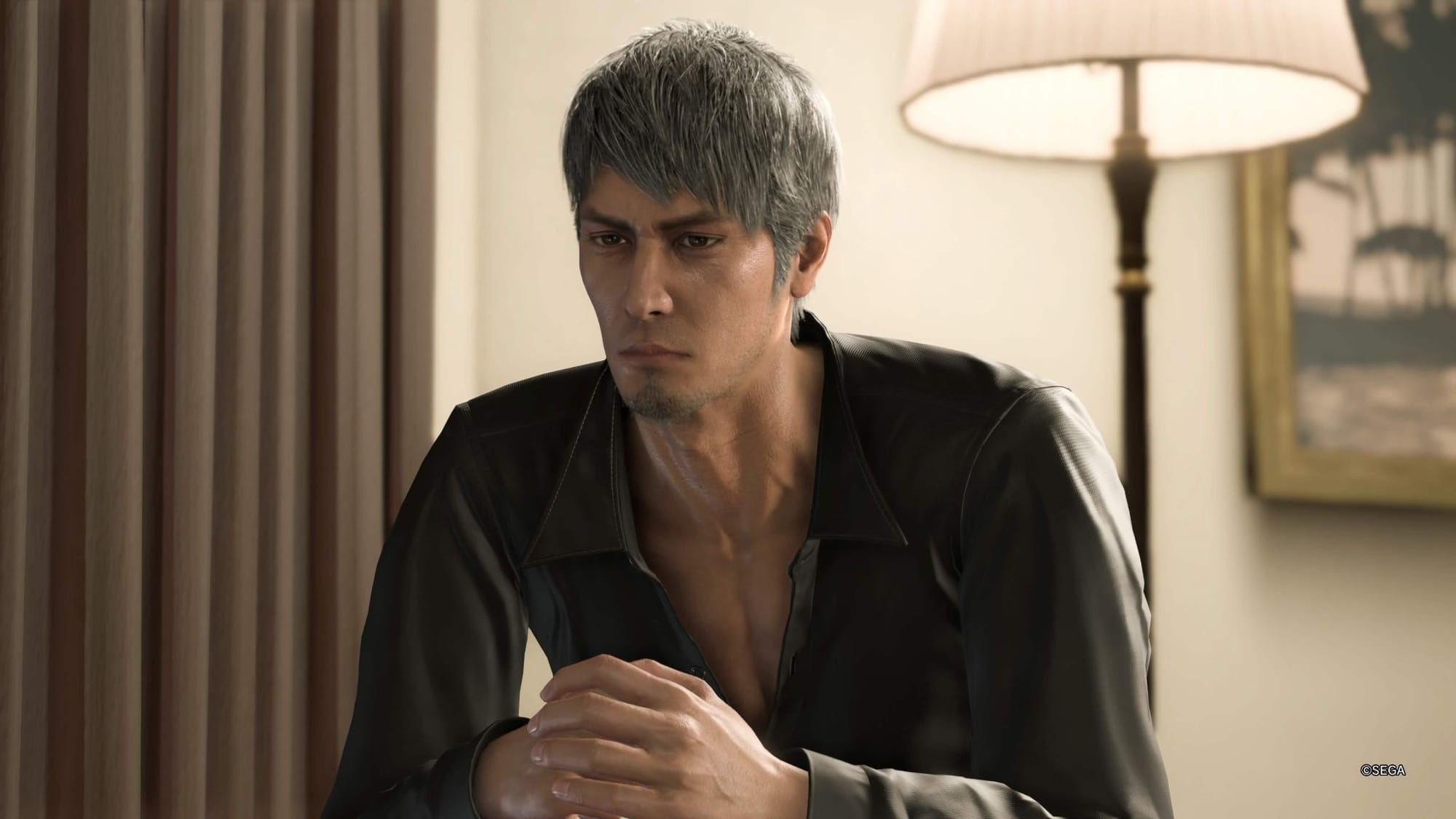
Kiryu is growing physically weaker due to his illness. Although he tries to act the hero, he gets captured and needs rescuing. Afterwards, he ignores pleas to take his cancer treatment more seriously, and instead resolves to tackle the growing unrest surrounding the yakuza remnants. But characters who were Ichiban’s allies in Yakuza: Like a Dragon won’t take this sitting down, and they join Kiryu in his quest, which includes “everyday activities” through side content just as much as it does matters pertaining to the main plot. As they grow closer as a team, Kiryu slowly warms to the idea of relying on others and not throwing his life away, for his sake just as much for the sake of the people who care about him.
“They say you’re some legendary yakuza,” Nanba tells him, “but for me, that just doesn’t fit the bill. The Kiryu I know? He loves good booze and karaoke, and he throws a hell of a punch. He’s also a friend like no other. … You’re carryin’ way too much on your own. And why bother, when you’ve got us? Isn’t that what friends are for?” Kiryu isn’t perfect. He has weaknesses, and that’s nothing to be ashamed of. And it’s especially not a setback when you’ve got great friends who can cover for those weaknesses in their own ways.
The most powerful moment showcasing this idea in Infinite Wealth is when Kiryu and company visit a remote village to request help from his old friends Majima, Saejima, and Daigo. Kiryu’s allies agree to give them privacy while they talk, but they refuse to leave him to battle these three famed yakuza alone. The three try to focus their efforts on Kiryu, and he can’t handle the onslaught. But as Kiryu’s opponents dive in for the knockout, his allies leap in to intercept each blow and lift him up from the ground. A Heroine need not stand alone. Kiryu is not “lesser” for fighting alongside a party against these threeTojo legends, each with the character for “island” (jima) somewhere in their name. Just as Kiryu helps elevate the others in his party, Kiryu’s allies also make him stronger, together forming an archipelago like the game’s settings of Japan and Hawaii.
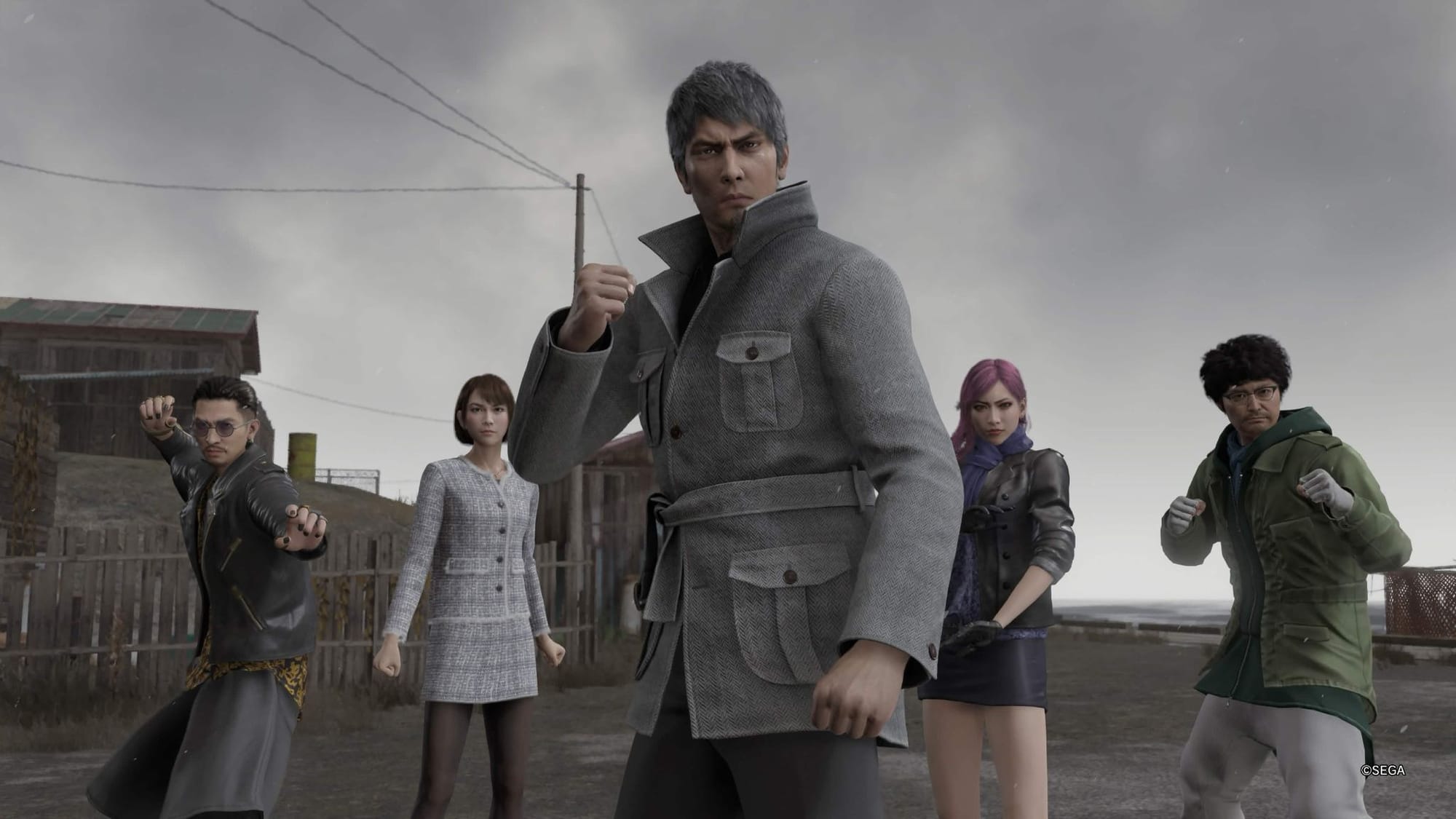
As the battle draws to a close, Kiryu must land the decisive blows against each opponent as his memories swirl around them. Considered all together, the fight combines the less-appreciated storytelling component of strength shared across a group with the well-loved characteristic of an individual overcoming challenges as a way to indicate personal growth. Such synthesis is what makes a character like Ichiban so endearing and memorable: he values camaraderie and having allies who are his equals, forming a balanced party together, while also being able to throw hands on his own when push comes to shove. Kiryu has found his own way to integrate these Hero and Heroine traits within himself, and has come out all the stronger for it.
The Yakuza series has similarly integrated both Hero and Heroine’s Journey elements in its storytelling, and has been doing so with more frequency in its newer titles. The series is experiencing its own Journey, calling both its characters and its players to their adventures and imparting stronger messages of community and cooperation than ever before. Even if the games aren’t always perfect about how they write women and other marginalized characters, when considered all together, the gradual self-improvement is evident. And that is precisely the message the Heroine’s Journey would have its audiences remember: people are made of many facets. Their traits are stronger when integrated together. In the same way, while self-sufficiency is its own kind of strength, people are always stronger together.
Works Cited
Campbell, Joseph. The Hero with a Thousand Faces. 3rd ed., New World Library, 2008.
Campbell, Joseph. On the Hero’s Journey. New World Library, 2025.
Campbell, Joseph, and Bill Moyers. The Power of Myth, edited by Betty Sue Flowers, Doubleday, 1988.
Carriger, Gail. The Heroine’s Journey: For Writers, Readers, and Fans of Pop Culture. Gail Carriger LLC, 2020.
Tatar, Maria. The Heroine with 1,001 Faces. Liveright Publishing Corporation, 2021.
Vogler, Christopher. The Writer’s Journey: Mythic Structure for Writers. 4th ed., Michael Wiese Productions, 2020.
Artemis here. Stop Caring is reader supported and 100% free. Please consider subscribing or making a one-time donation to make more of this possible. All donations go directly to the author of the piece.